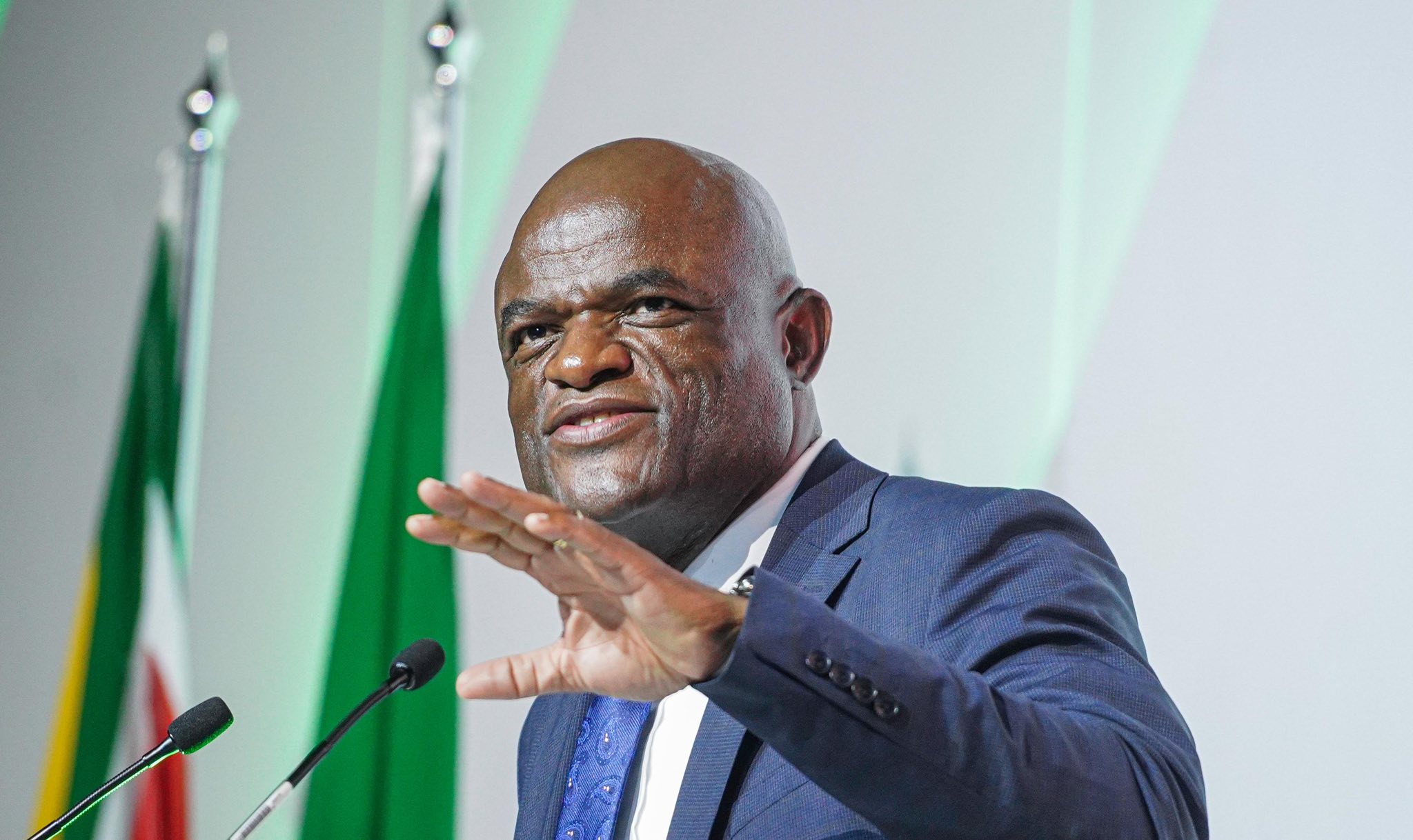
Northern Cape Premier and ANC provincial chairperson Zamani Saul has denied allegations of political interference in his administration following the shock resignation of Roads and Public Works MEC Fufe Makatong.
Saul moved swiftly to reshuffle his Cabinet after Makatong’s resignation, fuelling spe...
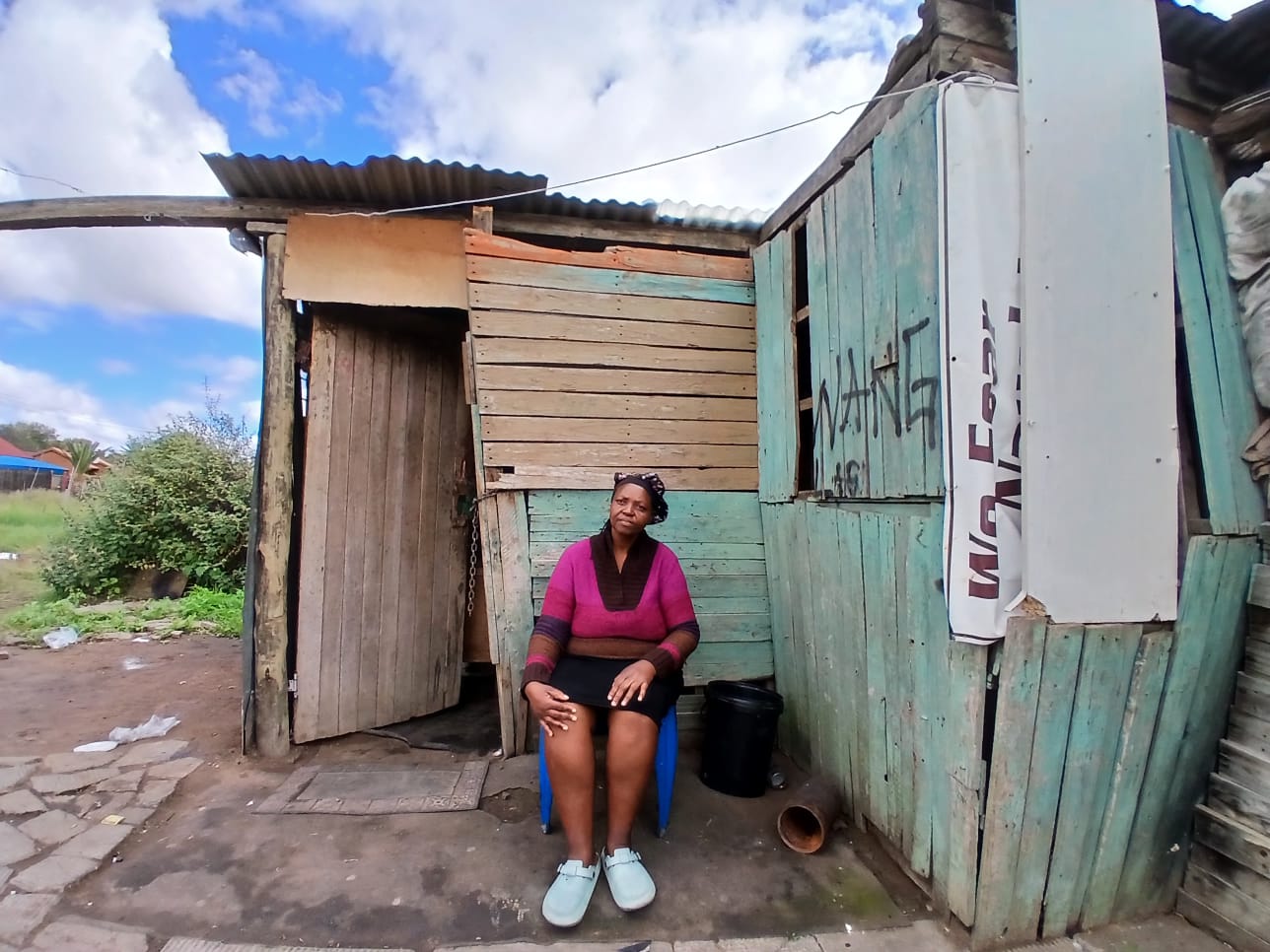
As heavy rains batter the country and the cold winter approaches, the Tromp family in Heidedaal’s Gatvol is pleading for urgent assistance, warning that their home is on the verge of collapse while their daily struggle for survival worsens.
Julia Tromp and her family have lived in Gatvol for nearly a decade, but life has become increasingly unbearable. She says the situation at home has deteriorated further as her two older children battle drug addiction, while her youngest is still in Grade 11.
The 52-year-old recalls how their hardship deepened after they were evicted from their rented home in Dr Block in the middle of the night. “We were only R100 short on rent, but the land lord refused to listen.
We were forced out, and my husband had to find us a place to stay that very same night,” she said. Now unemployed, Tromp relies on her disability grant and her husband’s weekly income of R1 800, which she says is not enough to sustain the family.
Their current shelter, a small shack given to them by a Good Samaritan, was later extended to accommodate the family. However, years of wear and exposure to harsh weather have left the structure dangerously unstable. With a six-month-old baby in the household, the conditions have become dire. “My family and I desperately need help.
This house could collapse at any time, and we simply cannot afford to fix it,” she said.
“It’s painful to be ridiculed in the community because of our situation. We just want to live like other people.” Tromp says the family often goes days without food. Recently, they survived three days without eating, despite her needing to take chronic medication.
“I once took my medication on an empty stomach because we had no food. I was too ashamed to ask neighbours again after they had helped the day before. I ended up having seizures,” she said.
She adds that most of their limited resources go toward ensuring the baby has formula. “We make sure the baby eats, and the rest of us just go to bed hungry.” The family’s challenges are compounded by her two older children, aged 28 and 25, whose drug addiction has worsened their already fragile situation. Tromp says they often take household items and sell them to fund their addiction. Even donated items have not been spared.
“I sometimes go to church for prayers and come back with clothes, but after a few days, they are gone. What hurts the most is that people buy these things from my sons, knowing our situation,” she said.
The emotional toll has been severe. Tromp admits that the overwhelming circumstances have, at times, driven her to dark thoughts.
“Sometimes I ask God why I was brought into this world to suffer like this. There are moments when I feel like maybe I would be better off dead,” she said, breaking down in tears.
With winter setting in, Tromp fears the worst. The shack is riddled with holes, offering little protection from the elements.
“We don’t know how we are going to survive the cold, especially with a baby. Living here is like living outside,” she said.
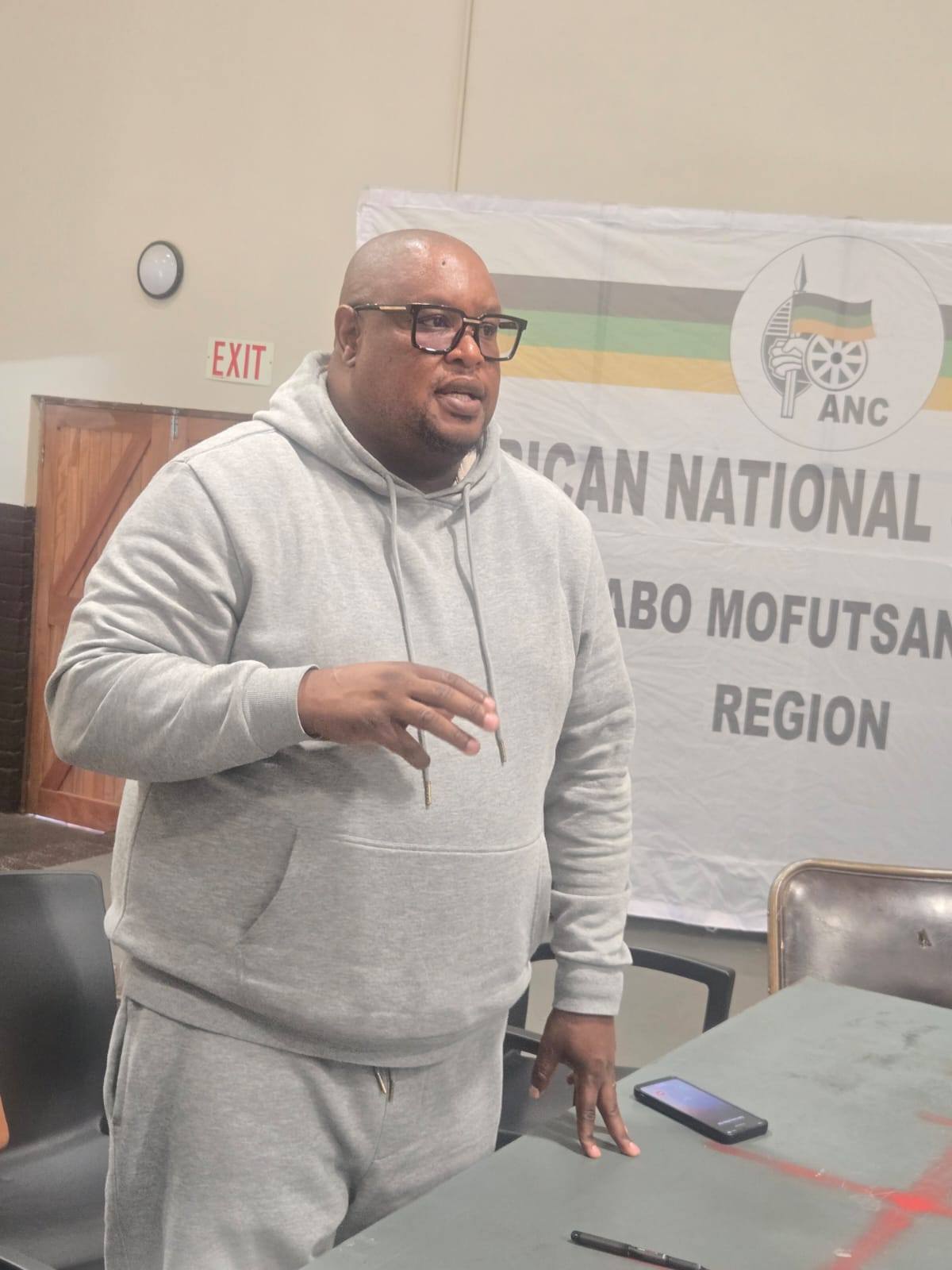
The much-anticipated Thabo Mofutsanyana regional conference hangs in the balance as disputes cast uncertainty over the already scheduled gathering. The conference, expected to get underway today amid heightened political tension, faces the risk of delays or possible postponement as internal challenges from several branches remain unresolved.
These disputes have raised concerns about compliance with party guidelines and the legitimacy of the conference, with insiders warning that failure to address them could open the door to further divisions and potential legal challenges.
The conference follows ANC Secretary-General Fikile Mbalula granting a waiver to the Thabo Mofutsanyana, Fezile Dabi, Lejweleputswa and Mangaung regions to proceed with their regional conferences.
In a letter dated 30 March 2026, Mbalula said the decision for Free State regions to proceed had been taken by the National Working Committee (NWC), “subject to strict compliance” with ANC guidelines and rules.
However, with members preparing to elect their leaders — and former Regional Chairperson and current convenor Thabo Mokoena tipped to secure a second term unopposed — Provincial party spokesperson Thabo Meeko told Journal News the meeting will only be confirmed on Saturday, following a Provincial Executive Committee (PEC) sitting. “I can only tell you that the PEC is sitting on Saturday, and whether or not the Thabo Mofutsanyana regional conference is sitting, I cannot respond to rumours. That will be confirmed on Saturday,” said Meeko, casting doubt on the gathering proceeding today without PEC approval.
Journal News has reliably learnt that 13 branches have lodged disputes ahead of the conference, raising the risk of delays to the start of proceedings. It is alleged that the region only qualified to convene at the last minute, having initially failed to meet the required 70% threshold by the end of last month. “I can tell you that 13 disputes have been lodged and are expected to be dealt with before the conference starts. That puts everything — the whole conference — at risk.
It lays a foundation for litigation and raises questions about the authenticity of the conference itself,” said another insider. Attempts to obtain comment from ANC regional spokesperson Vusi Khumalo were unsuccessful, as he had not responded to questions sent via WhatsApp at the time of publication. With no challengers emerging, Mokoena’s re-election appears all but certain, reinforcing his grip on the region’s leadership at a critical time for the party.
The uncontested race suggests growing confidence in Mokoena’s leadership, with branches rallying behind him despite ongoing organisational challenges. His anticipated return to office in the Free State’s largest region by membership is expected to provide continuity as the ANC navigates renewal efforts, service delivery pressures, and preparations for future electoral contests.
According to insiders within the regional leadership, this outcome is likely despite the disputes lodged by some branches. “I can confirm that both Comrade Chair Mokoena and his former secretary and current coordinator, Mojalefa Mohapi, will be re-elected unopposed. No challenger has thrown their name in the hat or been nominated to contest their positions,” said one insider.
The outcome of the conference will not only cement Mokoena’s leadership but also test the ANC’s ability to manage internal disputes while maintaining organisational stability. How the party resolves the outstanding branch challenges is likely to shape perceptions of the conference’s legitimacy and could have lasting implications for unity in the region.
Northern Cape Premier Zamani Saul this week marked a major milestone in his drive to create 60,000 sustainable jobs, as more than R105 billion in investment commitments were secured during the inaugural Northern Cape Jobs and Investment Conference.
Held over three days at the Mittah Seperepere Convention Centre, the event drew over 900 delegates from across South Africa, all focused on strengthening the province’s economic prospects.
The conference showcased investment pledges across key sectors, including mining, agriculture, energy and tourism. These commitments are expected to boost the province’s GDP from R164 billion to R200 billion by 2030.
The pledges were formally announced and signed by various companies during the conference, held in Kimberley from April 12 to 15. Among those in attendance were Minister of Trade, Industry and Competition Parks Tau, Minister of Electricity Kgosientsho Ramokgopa, alongside private sector investors, government officials and business leaders.
In his closing remarks, Saul thanked investors for their commitments, noting that the pledges represent a significant step toward achieving the province’s economic growth and job creation targets by 2030.
Key investments include a R17 billion commitment from Vedanta Zinc International to expand its Gamsberg mine, positioning it as the largest zinc operation in the province. Anglo American has pledged R11.2 billion toward expanding its Kumba Iron Ore operations in Kathu.
Additional commitments include R2.8 billion from Northern Cape Protech and Agri Revolution for mining, beneficiation and agriculture projects; R16.8 billion from Ando Energy for green energy production; and R12 billion from Prieska Power Reserve for a catalytic green hydrogen and ammonia project. Meanwhile, South African Atlantic Salmon has committed R1.5 billion to develop the Nama Aquaculture Park, including a salmon processing facility.
“After all the deliberations over the past three days, significant commitments have been made. We assure all the corporate entities that have made these pledges that we do not take your commitments for granted,” said Saul.
Northern Cape MEC for Economic Development and Finance, Lorato Blennies-Magage, underscored the importance of the conference, saying it had set a clear path to unlock large-scale investment, promote economic inclusion and create sustainable jobs across the province.
of the event.
“We conclude with a clear pathway to unlock large-scale investment, foster economic inclusion, and create sustainable jobs for the people of the Northern Cape, she said.
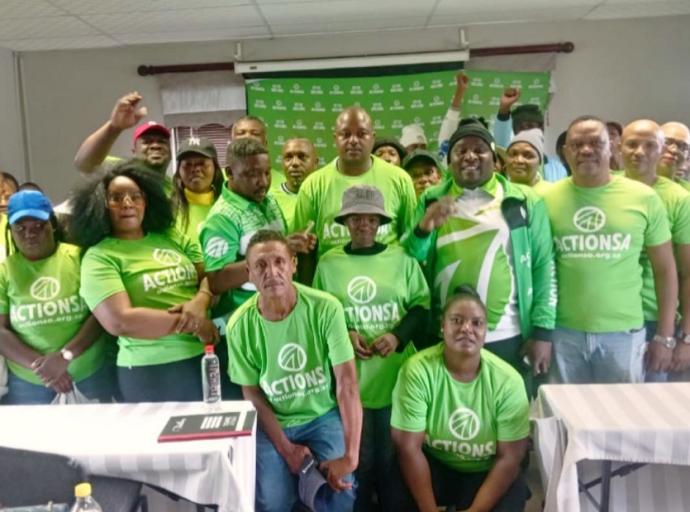
ActionSA Deputy President Dr Mbahare Kekana says the party is entering a defining moment as it rebuilds its structures in the Free State.
Kekana says they are excited to welcome about 80 new members from different political parties and civic movements.
He describes the move as a bold step towards accountability, service delivery and restoring hope.
Kekana says ActionSA is preparing for the 2026 local government elections, which he believes will be a turning point for the province.
He also calls on young people to register to vote and verify their details ahead of the anticipated polls.
“People of the state deserve better. They deserve municipalities that deliver water, electricity and dignity. People of the state deserve leaders who place community before self and governance before politics. As actual, let’s say, today, we are not celebrating this moment of unity. We are also preparing for the route ahead. We are preparing for 2026 local government elections, which will be a turning point for this province. We are ready to contest with a clear plan – to restore governance and credibility at every municipality. We are contesting with a clear plan to drive sustainable service delivery and uplift a community. We are contesting to empower citizens through development, processes, to create jobs and opportunities. We are contesting Free State with a clear plan to build inclusive coalitions that reflect diversity and strength to our new members who will be welcoming today from different political parties. Your voice, your energy, and your commitment will strengthen this political body called ActionSA,” adds Kekana.
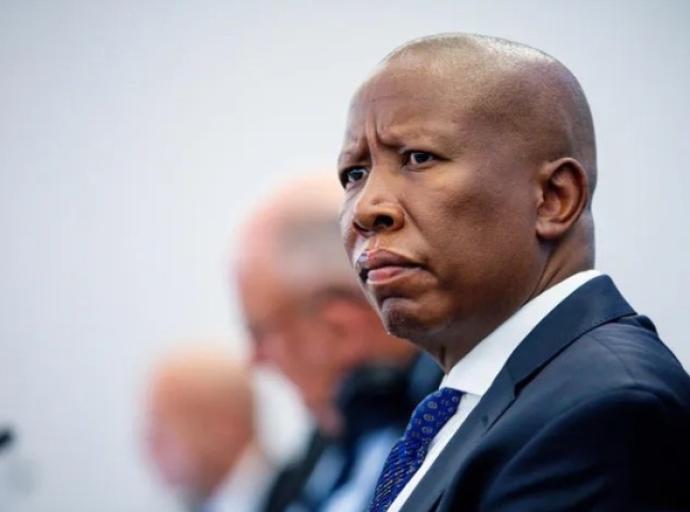
Political parties have welcomed the sentencing of EFF leader Julius Malema, saying it reaffirms the rule of law and that no one is above it.
This comes after Malema was sentenced to five years' imprisonment for firing a semi-automatic rifle into the air at an EFF rally in Mdantsane in 2018.
Magistrate Twanet Olivier handed down the sentence at the KuGompo City Magistrate’s Court in the Eastern Cape on Thursday.
The Freedom Front Plus welcomed the sentence, saying it confirmed that “the rule of law still applies and that no one is above the law”.
The party noted that, in terms of the Constitution, a person sentenced to more than 12 months’ imprisonment without the option of a fine may not serve as a Member of Parliament, but added that Malema could remain in office pending the outcome of an appeal.
It also raised concerns about his position in the Judicial Service Commission, saying his conduct “calls his suitability for this position into question” and criticised the behaviour of EFF supporters outside court as “unacceptable”.
The Democratic Alliance (DA) also supported the ruling, with leader Geordin Hill-Lewis saying it sends a strong message about accountability.
“Gun violence is out of control in South Africa, so any crime involving illegal gunfire is extremely serious. It's important to punish illegal firearm crimes harshly.
''Only when people understand that there are consequences for crime, will we get gun violence under control in South Africa,” he said.
“The sentence also sends a clear message that in South Africa nobody is above the law. Today is a good day for the rule of law in South Africa,'' he added.
Patriotic Alliance (PA) leader Gayton McKenzie declined to comment directly on the ruling, saying he would instead pray for Malema and his family.
“I will not be giving any comment regarding the sentencing of Mr Malema except to pray for him and his family. Prison is tougher on families.
''I don’t celebrate when tragedy befall people even my enemies,” he said.
Meanwhile, the Economic Freedom Fighters signalled its intention to challenge the ruling.
Speaking outside court, deputy president Godrich Gardee said the party was preparing urgent legal steps to prevent Malema from going to prison.
“Our spirits are very high. That’s why we are here, there is another team at the Constitutional Court who will not sleep for a minute in the cell. We will get a judge on duty to hear the matter for a bail appeal,” he said.
Gardee said the party rejected aspects of the judgment and would pursue further legal avenues.
“The matter is still subject to appeal, we will challenge them accordingly,” he said.
He added that the party had contingency plans in place across the country and was ready to pursue multiple legal strategies to secure Malema’s release pending appeal.
Build One South Africa (BOSA) leader Mmusi Maimane said that “we must never rush to celebrate another man’s downfall.”
Speaking to IOL News, ActionSA national spokesperson Matthew George said the party notes the court’s ruling.
“As a party that believes in the rule of law, we welcome that the court has duly assessed the evidence in this matter and has issued its ruling in that regard.
''While we note the ongoing appeal regarding sentencing, we believe this case underscores the importance of a legal system in which everyone is accountable before the law, without exception,” he said.
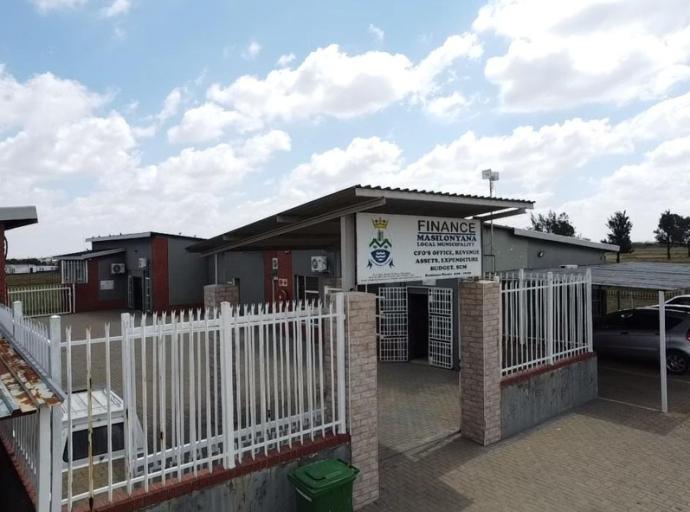
A scathing assessment by Parliament’s oversight arm has laid bare deep-rooted governance failures in the Masilonyana Local Municipality, warning that corruption and self-interest are crippling service delivery and pushing the municipality further into decline.
The Select Committee on Cooperative Governance and Public Administration delivered the stark message during an oversight visit to Theunissen Town Hall, where it engaged local stakeholders as part of its review of the Free State government’s intervention under Section 139(1)(b) of the Constitution.
At the centre of the findings is a pattern of weak accountability, political inaction and financial mismanagement that has persisted for years.
Committee chairperson Mxolisi Kaunda did not mince words, pointing to a systemic failure by councillors to fulfil their constitutional duties.
“The continued deterioration of municipal governance reflects a failure on the part of councillors to execute their responsibilities,” Kaunda said, noting that poor audit outcomes across the Free State remain entrenched.
Masilonyana, in particular, has recorded a disclaimer audit opinion — the worst possible outcome — for a staggering 10 consecutive years.
The committee found that oversight structures meant to hold the administration accountable are effectively dysfunctional. Councillors have failed to act on irregular expenditure, neglected to properly scrutinise key appointments, and allowed oversight bodies such as the Municipal Public Accounts Committee to weaken.
Financially, the municipality is on the brink. With revenue collection sitting at just 20%, Masilonyana is unable to sustain basic operations. The situation is worsened by unpaid accounts from government departments, while mounting debts have led to the attachment of municipal bank accounts.
Despite this, the municipality continues to spend approximately R15 million a month on salaries — a wage bill the committee says is completely out of sync with service delivery performance. The diversion of equitable share funds to cover salaries instead of essential services has further exposed poor financial discipline.
The committee also flagged ongoing legal battles over the appointment of a chief financial officer, warning that litigation is draining already scarce resources without resolving governance issues.
Even the use of consultants has failed to turn the tide. While they assist in preparing financial statements, audit outcomes have not improved — highlighting deep institutional weaknesses.
The committee will now consolidate its findings and submit a report to the National Council of Provinces, which will decide whether to uphold the provincial intervention.
For residents, the stakes are clear. At issue is not just governance — but the restoration of basic services like water, sanitation, refuse removal and infrastructure.
“The priority is restoring the municipality’s ability to deliver,” Kaunda said.
For Masilonyana, that recovery may depend on whether decisive action finally replaces years of inaction.