Northern Cape Premier and ANC provincial chairperson Zamani Saul has denied allegations of political interference in his administration following the shock resignation of Roads and Public Works MEC Fufe Makatong.
Saul moved swiftly to reshuffle his Cabinet after Makatong’s resignation, fuelling spe...
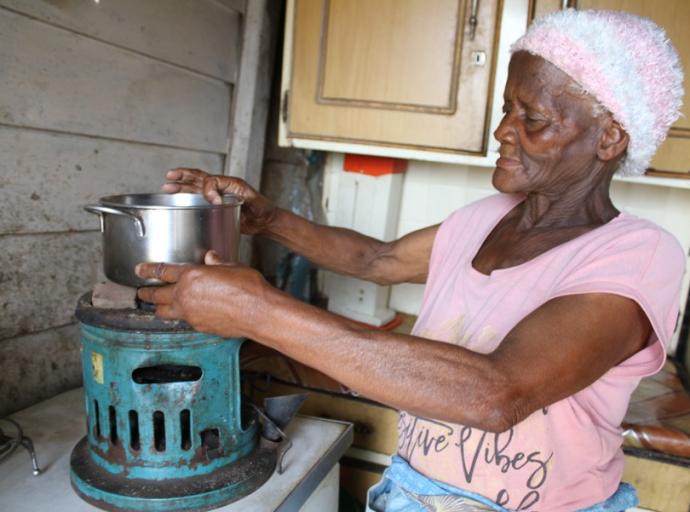
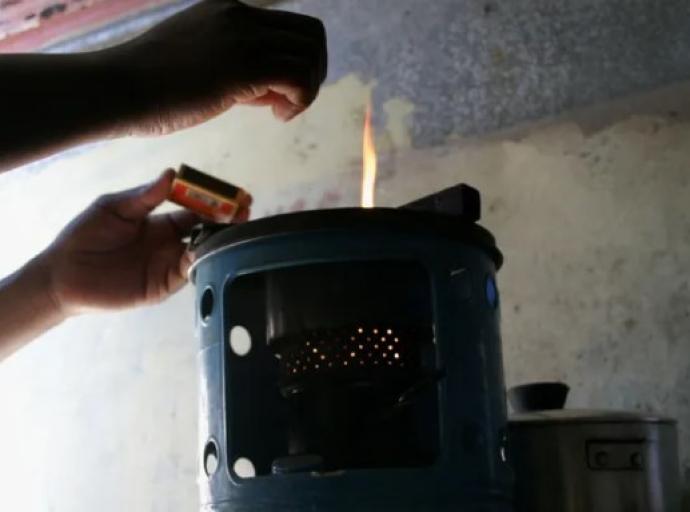
As winter tightens its grip, families in Gatvol, an informal settlement in Heidedaal, are facing more than just the cold — they are confronting a painful choice between warmth and survival. The latest R11 hike in paraffin prices has sent shockwaves through this struggling community, leaving households already on the edge scrambling to make ends meet.
For many, the simple act of cooking a meal or keeping the children warm has become an impossible burden. Despite the government’s recent announcement of a temporary R3 reduction in the fuel levy for April 2026, residents like 72-year-old Josephine Maboe describe mornings spent in darkness and evenings shivering in their homes, forced to decide whether to pay for paraffin or stretch what little money they have on food and other essentials.
“Sometimes we go without,” Maboe says, her voice heavy with worry. “We can’t pay our accounts, we can’t buy food, but we need paraffin to survive the cold. How are we supposed to live like this?”
For Maboe and her family, who depend entirely on her old-age pension, the spike in paraffin costs has already started to bite. She says the current price, R35 per litre, already stretches her budget thin — and the R11 increase will make daily heating and cooking nearly impossible.
“I buy a litre of paraffin every day just to cook pap and boil water. Sometimes it’s not enough, and now it will be even harder,” she explains.
For some residents, the desperation has forced them into dangerous alternatives. Sixty-six-year-old Jan Belie De Wee says that when money runs out, he is left with no choice but to scavenge firewood from nearby dumping sites to cook.
“We have to go there to collect wood to make a fire. It’s not safe, but we need to eat,” De Wee says. The R11 increase comes at a time when food prices are already soaring, leaving families like the Maboes and De Wees caught between freezing in their homes and going hungry.
De Wee fears the upcoming winter will be the harshest yet. “This winter is going to be the hardest because we are already struggling to make ends meet. One can only imagine what it will be like when it gets colder,” he says. For families with children, the challenges are even greater. The De Wee family has converted a small, dilapidated outside room into a makeshift space to bathe their children in the mornings, trying to keep them warm despite holes in the walls and a lack of proper heating.
“It’s not perfect, but at least they are not freezing,” he says. Residents also point out that the paraffin available to them is of poor quality, burning fast and emitting smoke that has caused respiratory prob lems in the community.
“The doctors have warned against the smoke from paraffin. I already have lung problems, but we have no other option,” De Wee explains.
In Gatvol, paraffin is not a luxury — it is survival. It fuels cooking, heats homes, and lights the darkness of long winter nights. With each price increase, families face an impossible balancing act: paying for fuel, food, or basic household necessities. As the winter season approaches, Gatvol’s residents are left with a stark reality: cold, hunger, and uncertainty.
For them, the R11 hike is not just numbers on a shelf — it is the difference between warmth and suffering. “We’re suffering,” Maboe says simply, summing up the daily battle for survival in a community pushed to the brink. Meanwhile, the Motor Industry Staff Association (MISA) has called for government intervention to address rising paraffin prices in South Africa. MISA spokesperson Phakamile Hlubi-Majola told the SABC News, “The price of paraffin has gone up by a whopping 11 rand, and this has had a very direct impact on our poorest communities, people who depend on paraffin.
We’re entering the winter months now, paraffin is something that the use of increases around this time, and we really think that the government needs to intervene”.
“This is why MISA is pushing that the government must implement targeted subsidies on paraffin. We believe that a targeted subsidy would be much more effective than, for example, relying on a fuel levy cut,” adds Hlubi-Majola. Like in many other areas, winter in Gatvol will not wait — and neither will the struggle to survive it.
When the Free State-India partnership was launched, it wasn’t just about diplomacy—it was about jobs, investment, and building cultural bridges amid rising unemployment and economic challenges.
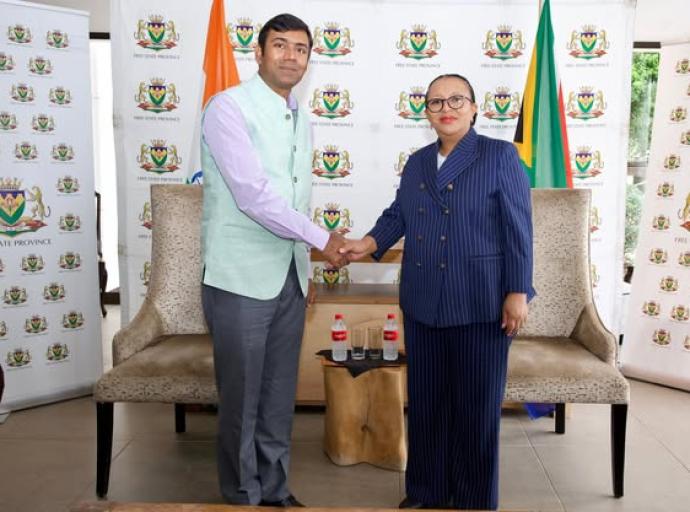
On Wednesday, 8 April 2026, Niteen Subhash, Indian Consulate General, visited the Free State for a courtesy call with MaQueen Letsoha-Mathae. The meeting aimed to strengthen ties between the province and India.
Premier Mathae highlighted India’s rapidly growing economy, technological advancement, and the long-standing, progressive partnership with the Free State. She stressed the urgent need for investment-driven initiatives.
“These initiatives must have a direct and measurable impact on economic growth and job creation within the province,” she said.
Both sides agreed on the importance of skills development to meet evolving economic demands. The collaboration will facilitate training for young people and government officials in key areas including Information Technology (IT), Artificial Intelligence (AI), and cybersecurity.
Women’s cooperatives will also benefit from specialised training in textile production, equipping them with practical skills to actively participate in the industrial economy.
Premier Mathae emphasised revitalising local industries as a central pillar of the partnership, noting that human capital development has already benefitted provincial communicators, youth, and the healthcare sector.
With clean energy agreements underway, the partnership is set to move from planning to tangible economic impact, promising a boost in jobs, skills, and sustainable growth for the Free State.
The Free State government has officially pulled the plug on the Department of Economic, Tourism, Small Business Development and Environmental Affairs (DESTEA), ushering in a sweeping restructure that redraws the province’s administrative map.
In a bold overhaul led by Premier MaQueen Letsoha-Mathae, the long-standing department has been stripped of its environmental mandate and rebranded with a sharper economic focus.
As of 1 April, environmental affairs and conservation — including nature reserves and related services — have been transferred to the Department of Agriculture and Rural Development (DARD). The move, government says, is aimed at better aligning functions and boosting efficiency across provincial departments.
The changes form part of a broader executive reshuffle under the seventh administration and are in line with proclamations issued by President Cyril Ramaphosa.
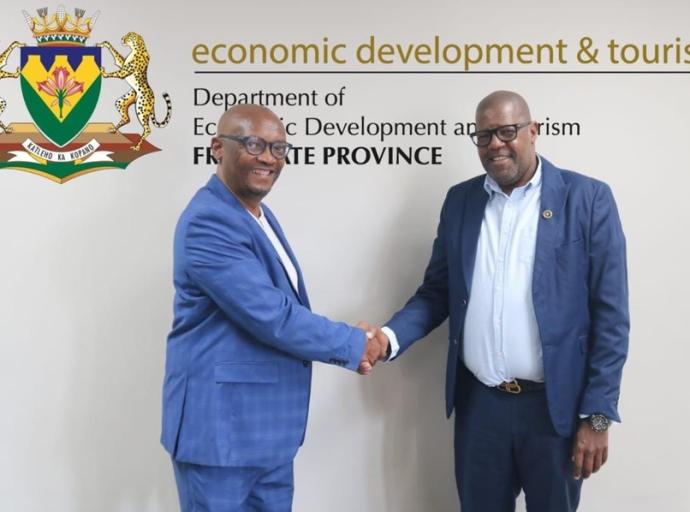
With the environmental portfolio removed, the department will now operate as the Free State Department of Economic Development and Tourism (DEDT) — a streamlined entity focused squarely on business growth, investment and tourism.
Officials insist the rebrand is more than cosmetic. MEC Ketso Makume says the new identity must signal a decisive break from the past and drive a culture of performance.
“This new branding identity must inject urgency and renewed energy into service delivery, anchored in authenticity, effectiveness, integrity and credibility,” said Makume, adding that the department must position itself as a people-centred institution.
Despite the restructuring, DEDT will retain oversight of provincial resorts and continue delivering on its revised economic and tourism mandate.
A public awareness campaign has now been rolled out to introduce the new identity, with communities, employees and stakeholders urged to adopt the updated name and branding for all official purposes.
Minister of Human Settlements Thembi Simelane has disclosed that over 200 housing projects across the country are currently stalled.
This follows Simelane’s responses to a series of parliamentary questions from MPs of the MK Party and the EFF, detailing the current housing crisis.
Asked by the MK Party MP Jeffrey Bhekumndeni Mtolo about the current number of incomplete and abandoned housing projects, Simelane said a total of 212 projects with a funding of R37.9 million were categorised as blocked nationally.
While the Eastern Cape appears to be unaffected, other provinces are grappling with significant numbers of incomplete projects.
Simelane outlined the collaborative efforts between the national and provincial governments to tackle these blockages across the country.
“This support includes technical assistance, strengthened monitoring, targeted interventions where required, and coordinated planning to ensure that project blockages are systematically resolved.”
There was also a collaboration with provinces to develop turnaround strategies and monitor progress on stalled projects.
Simelane added that the blocked projects are now a standing agenda item at the MinMEC - a forum for the Human Settlements Minister and MECs.
“This ensures collective problem-solving, policy alignment, and coordination between the three spheres of government,” she said.
The minister further said the provinces were required to submit regular reports on blocked projects, enabling the national department to intervene early and support recovery plans.
Simelane explained that the projects are stalled due to a combination of technical, administrative, environmental, and social factors.
Reasons provided for the failure of the projects include contractors abandoning projects due to non-performance, bulk infrastructure challenges, and administrative delays, among others.
Simelane said many projects cannot proceed because municipalities are unable to provide essential bulk services such as water, sewer, road access, and electricity infrastructure.
“Projects located on difficult terrain or areas requiring extensive environmental compliance unavoidably experience delays during planning or construction phases.”
She noted that land invasions and illegal occupation of project sites disrupted implementation, leading to stoppages, while legal and community processes unfold.
“Protests, disputes over beneficiary lists, or resistance to relocation of households contribute to delays.”
Simelane added that there were cases where contractors have abandoned projects or failed to perform, requiring termination and procurement of replacement contractors.
In response to the failure of contractors to deliver, the department has taken steps to blacklist non-performing contractors in areas where communities have waited for more than 10 years for housing.
While the data did not explicitly include a formal blacklist register, she said affected contractors were replaced across the projects.
“Provinces are expected to replace non-performing contractors with the new implementers across Integrated Residential Development Programmes, People’s Housing Programme, and rectification projects,” she said.
There was also a suspension of payments where no progress was achieved, and a re-tendering of abandoned projects.
Simelane further said projects that experienced delays during the period between 2006 and 2014 were reactivated in the business planning cycle that started in 2023/24 and ends in 2026/27.
She indicated that rectification, emergency housing, and disaster programmes targeted long-standing backlogs, informal settlements, and disaster affected households.
There was also budget re-allocation for affected projects as well as investments towards bulk infrastructure and site development.
“This is evident in supplementary funding to Housing Development Agency, Integrated Residential Development Programme, rural housing, and high-density informal settlements upgrades.”
According to Simelane, her department delivered 38,453 housing units as of the end of March.
“This represents 105.2% against the target for houses or units,” she said when responding to EFF MP Marshall Dlamini.
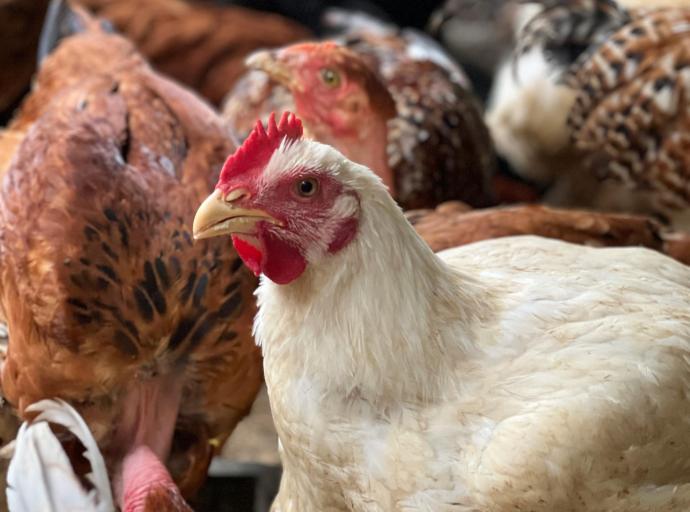
Avian flu, commonly known as bird flu, is no longer just a concern for farmers.
Concern mounts as the rapid spread of avian influenza across the United States and Europe has intensified calls for widespread poultry vaccination in South Africa.
Once largely confined to wild birds, the virus has increasingly drawn global attention for its ability to devastate poultry industries and, in rare cases, infect humans.
Here’s what you need to know.
What is bird flu and where does it come from?
Bird flu is a highly contagious viral disease that occurs naturally in wild aquatic birds such as ducks and geese. While these birds often carry the virus without showing symptoms, it can spread rapidly when it reaches domestic poultry like chickens and turkeys, often with deadly consequences.
How does bird flu spread?
The virus spreads when infected birds shed it through their saliva, mucus and faeces.
According to the Centers for Disease Control and Prevention (CDC), humans are rarely infected, but when they are, it is usually after close, unprotected contact with infected animals or contaminated environments.
This can happen by breathing in airborne droplets or dust containing the virus, touching contaminated surfaces and then touching your face (eyes, nose, or mouth).
Although human infections remain rare, experts warn that the risk increases in high-exposure settings like farms.
Why 2024 raised new concerns
In a huge 2024 development, the World Health Organization (WHO) reported that the A(H5N1) strain spread to dairy cattle in the United States.
What was even more concerning was that dairy workers were infected after direct contact with sick cows. Additionally, infections were linked to exposure to contaminated raw milk, including splashes into the eyes.
This marked a worrying expansion of the virus into mammals, something scientists are closely monitoring.
Symptoms: From mild to life-threatening
Bird flu in humans can present in different ways.
Mild symptoms:
Eye redness (conjunctivitis) — notably the most common symptom in recent U.S. cases
Severe symptoms:
Acute respiratory illness
Pneumonia
Multi-organ failure
Seizures
Altered consciousness
In some cases, the disease can be fatal.
Can bird flu spread between people?
According to both the WHO and CDC, human-to-human transmission remains extremely rare and typically occurs only after prolonged, close contact with an infected person.
However, this is where the biggest global concern lies.
Health experts fear the virus could mutate and gain the ability to spread easily between humans. This is a terrifying scenario that could trigger a new influenza pandemic.
But it is also worth noting that there is no need to worry about that at this point in time.
Why there’s no vaccine yet — and what still helps
There is currently no specific human vaccine for avian influenza, according to South Africa’s National Institute for Communicable Diseases (NICD).
But that doesn’t mean there’s no protection.
Health authorities recommend getting the seasonal flu vaccine, especially for poultry workers
Why? It helps prevent a dangerous process called “genetic reassortment”. This happens where human flu and bird flu viruses mix to create a new, potentially pandemic strain.
Global health bodies are also continuously developing and updating candidate vaccines as part of pandemic preparedness.
How to protect yourself
For most people, the risk remains low — but basic precautions are key:
Things that most people take for granted, such as switching on a light or cooking a meal, have become prohibitively expensive for South Africa’s poorest households following severe paraffin price announcements that came into effect last week.
While motorists and transport operators benefited from a R3 per litre temporary tax reprieve that softened the blow of this month's petrol and diesel price hikes, customers of illuminating paraffin bore the full brunt of an R11.67 per litre increase on April 1, pushing the national maximum retail price to R31.47 per litre.
The Department of Mineral and Petroleum Resources (DMPR) said that paraffin did not receive any relief measures, as, unlike petrol and diesel, it is not subject to the General Fuel Levy (GFL).
However, there have been widespread calls for government to take decisive action to soften the blow on South Africa’s poorest households, with measures such as subsidies.
Martlé Keyter, CEO of the Motor Industry Staff Association (MISA), said families already struggling to survive will be forced into harsher conditions, with limited alternatives available to them.
“Winter is around the corner. Paraffin is the primary source of energy for millions of South Africans who use it for cooking, heating and lighting. It is a basic necessity for the poorest of the poor. The doubling of its price threatens to deepen energy poverty, exacerbate food insecurity and strip vulnerable households of their dignity.”
The organisation is calling for a broader relief package that could include practical measures such as targeted subsidies as well as price stabilisation mechanisms to prevent extreme fluctuations.
“The price hikes created a global humanitarian crisis. Our government must act decisively to shield the poorest households from the devastating impact of unaffordable energy. MISA reaffirms its commitment to advocating for fair and just policies that protect workers, families and the most vulnerable members of society,” Keyter added.
Thapelo Mohapi, general secretary of Abahlali BaseMjondolo (Movement of the Shacks) expressed concerns about child nutrition during the winter holiday period.
"Winter is coming, and families will struggle to keep children warm and cook food. When schools are closed, children won’t get the nutrition they need, and households will face rising food costs alongside unregulated paraffin prices," Mohapi said.
"The government does not care about the poor; that’s why they have not given relief for paraffin, as it is used by the poor mostly. They care more about the middle class who own cars," Mohapi added.
Bertha Dlamini, founding president of African Women in Energy and Power (AWEaP), said longstanding policy gaps were hitting the poor hardest.
"Energy inequality is structural. Low-income households pay a poverty premium for paraffin because distribution is fragmented, competition is limited, and price regulation is weak. Fuel levy relief helps middle-class commuters, but paraffin-dependent households remain exposed to volatile global oil prices."
Not only should government consider measures such as subsidies, but transparent monitoring of paraffin prices and the rollout of LPG and electric cooking support programmes could go a long way to relieving pressure on the poorest of the poor, she said.