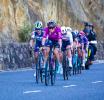
The 48th edition of the Cape Town Cycle Tour took place in the Mother City this weekend, drawing thousands of cyclists to one of the most anticipated events on the local sporting calendar.
Widely recognised as the world’s largest timed cycling race, the event saw more than 30 000 riders take on the challenging 109 km route around the Cape Peninsula, winding past iconic landmarks and offering some of the most breathtaking scenery in sport.
For most participants, the ride is a celebration of fitness, camaraderie and Cape Town’s natural beauty. But this year’s atmosphere shifted after an unfortunate incident involving one of the riders, casting a sombre mood over an event that usually brims with enthusiasm and achievement.
Emergency medical teams stationed along the route responded during the race, but organisers later confirmed that the cyclist had sadly passed away. In a short statement released after the incident, the Cape Town Cycle Tour Trust expressed its sadness and extended condolences to the participant’s loved ones.
“It is with profound sadness that the Cape Town Cycle Tour confirms the death of a participant during the 2026 race following a suspected cardiac arrest,” the organisers said in an official statement.
Out of respect for the family’s privacy, the organisers also emphasised that they would not be disclosing the identity of the rider or specifying the exact location on the route where the incident occurred.
Fatalities during endurance events of this scale are very rare, but they are not without precedent. Medical research into long-distance cycling and running events has shown that serious medical emergencies, including cardiac arrests, can occur even among experienced and well‑trained athletes.
While such incidents remain uncommon compared with the huge number of participants, they are recognised risks in high‑endurance sports.
Intense physical exertion places significant demand on the cardiovascular system, particularly during long events or in the final stages when participants are pushing hardest.
The heart works harder to supply oxygen and nutrients to muscles, and in rare cases, underlying cardiac conditions (some of which may be undiagnosed) can be triggered by the stress of prolonged effort.
Factors such as dehydration, heat exposure and sudden bursts of pace can also contribute to increased risk, even for seasoned riders.
Event organisers are well aware of these possibilities and plan meticulously to ensure participant safety. At the Cycle Tour, medical personnel, ambulances and automated external defibrillators (AEDs) are strategically positioned along the course to provide rapid response if needed.
These precautions, along with pre‑race advice on fitness and health checks, are standard practice at endurance events of this magnitude.
Despite the tragedy, thousands of riders completed the route, demonstrating determination and resilience.
*This article was first published by IOL News