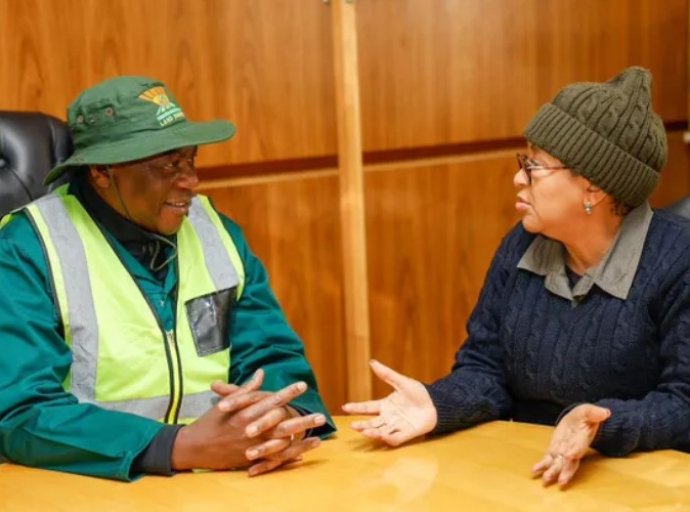
The newly elected Mayor of Maluti-A-Phofung Municipality, Tumelo Thebe, has wasted no time in setting the tone for his administration, unveiling an ambitious plan to restore dignity, improve service delivery, and rebuild public confidence in a municipality that has struggled with governance and infr...
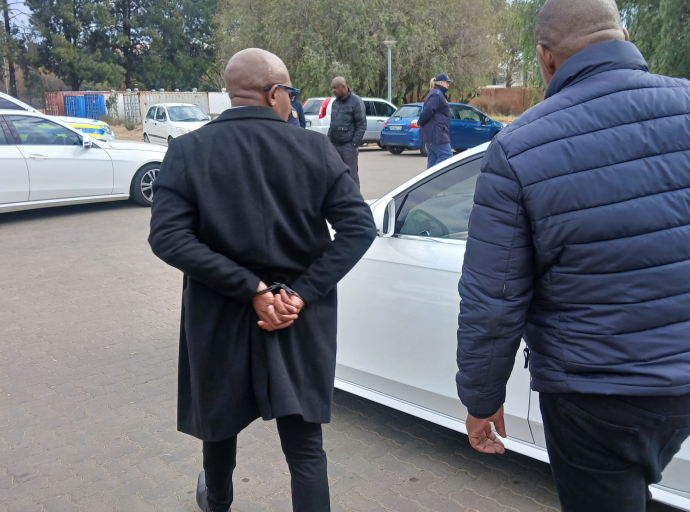
A high-ranking official at the Department of Labour in Bloemfontein, Free State, has been arrested in connection with a fraudulent UIF scheme.
Police provincial spokesperson Brigadier Motantsi Makhele says more arrests are expected nationwide.
“This is a takedown operation led by our organised crime unit in the province, which started five months ago. The operation has been running throughout the country, and there must be other simultaneous pick-ups of suspects happening in other areas such as Bethlehem and Gauteng province,” said Makhele.
He said that they are anticipating arresting about 20 people, including civilians, who were conspiring with officials in the matter.
Brigadier Makhele confirmed that the money involved can be beyond millions.
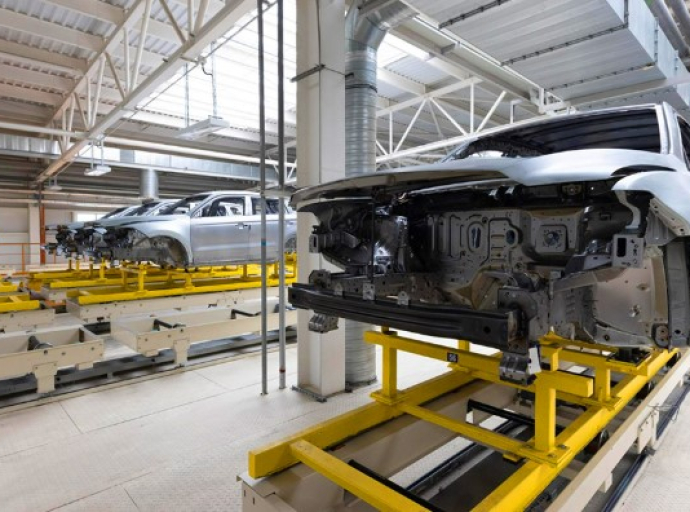
South Africans are buying fewer locally produced vehicles than ever before, sparking fears of deindustrialisation as the market’s appetite for affordably priced imports grows.
Although the growing array of Chinese brands offered locally is usually seen as the greatest threat to local manufacturers, the vast majority of South Africa’s imported cars actually originate from India, according to the latest data from Lightstone.
36% of all the vehicles sold in South Africa in 2024 were imported from India, Lightstone said, while 37% were locally manufactured. Chinese imports accounted for just 11% of vehicle sales last year.
When we exclude the bakkies and light commercial vehicles, India’s share grows to almost half of our market. Lightstone figures for the first five months of 2025, shared exclusively with IOL, show that 49% of all passenger vehicle sales were imports from India.
The majority of these vehicles emanate from the Maruti Suzuki operation in India, which also supplies Toyota with vehicles such as the Starlet, Starlet Cross, Vitz and Urban Cruiser. Suzuki Auto’s own vehicles, such as the Swift, Baleno and Fronx, are also gaining market share, with the new-generation Swift having dominated the passenger car market on numerous occasions in 2025.
Interestingly, 84% of all the Japanese-branded light vehicles sold in South Africa in 2024 were imported from India, Lightstone said, with just 10% actually built in Japan. Likewise, the majority of South Korean (81%) and French branded vehicles (74%) are also sourced from India.
“The growth in vehicle sales originating in India can be attributed to the large number of vehicle manufacturers now producing vehicles in the country, leveraging the relatively cheap cost of labour and overall manufacturing costs,” said Andrew Hibbert, Auto Data Analyst at Lightstone.
Affordably priced Indian- and Chinese-build vehicles have, on the one hand, become a significant blessing to cash-strapped South African consumers.
Yet it is of concern that in 2009, around half of the light vehicles sold in South Africa were locally produced. In that year, just 5% of our vehicles were sourced from India.
Does this mean that South Africa’s local manufacturing industry is in trouble?
Although Toyota SA head Andrew Kirby has warned of a slow and steady “deindustrialisation”, and other CEOs such as Ford’s Neil Hill and VWSA’s Martina Biene have also expressed serious concerns about local manufacturing feasibility, South African carmakers have shifted their focus to exports, while gradually increasing production volumes over the years. For instance, 632,000 vehicles were produced locally in 2023, up from 571,000 in 2016.
2023 was a record year for SA vehicle exports, with 399,000 vehicles shipped abroad, according to Naamsa, and although 2024 saw a dip to 308,000 exports, the value of these exports actually increased and the lower volumes were largely seen as a temporary setback due to economic conditions abroad.
Also somewhat encouraging is that South Africa’s five top-selling vehicles in 2024 were locally produced. These were the Toyota Hilux (32,656), VW Polo Vivo (25,913), Ford Ranger (25,533), Toyota Corolla Cross (21,861) and Isuzu D-Max (11,153). But below that, gradually eating into the volumes of locally produced cars and bakkies, is a proliferation of affordably priced SUVs imported from India and China.
It is clear that South Africa still has a huge appetite for locally-produced bakkies.
Yet it is also of great concern that the local manufacturing sector has become more reliant on export contracts. With the looming threat of US tariffs and likely loss of AGOA, which will effectively end our duty-free access to the US market, manufacturers such as Mercedes-Benz and BMW stand to lose significant export volumes.
Further into the future, the planned 2035 ban of sales of new petrol and diesel engined vehicles in Europe will also have a major impact on the local operations of Ford, Toyota and Volkswagen, unless they switch to producing electric vehicles by that stage. South Africa's government is actively encouraging such a shift through newly announced incentives for NEV production.
Deputy President Paul Mashatile spoke to journalists in the Free State province, where he was joined by Premier Maqueen Letsoha-Mathae in leading the Clean Cities and Towns integrated service delivery programme in the Matjhabeng Local Municipality near Welkom.
Deputy President Paul Mashatile on Tuesday vowed that any motion of no-confidence brought against President Cyril Ramaphosa will be defeated in the National Assembly.
Mashatile spoke to journalists in the Free State province, where he was joined by Premier Maqueen Letsoha-Mathae in leading the Clean Cities and Towns integrated service delivery programme in the Matjhabeng Local Municipality near Welkom.
“We will be ready to defeat it,” said Mashatile.
The DA accuses Nkabane of lying to Parliament about the appointment of ANC-linked individuals to Sector Education and Training Authority (SETA) boards.
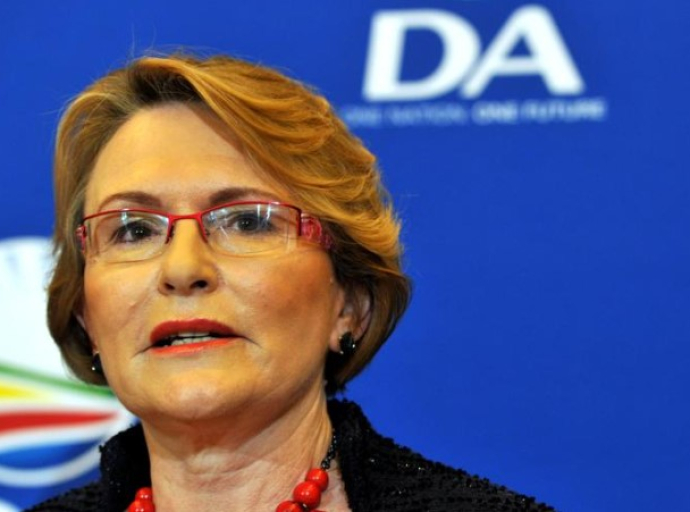
On Tuesday morning, DA Federal Chairperson Helen Zille and DA MP Karabo Khakhau, who serves on the Parliamentary Portfolio Committee on Higher Education and Training, laid the charges at the Cape Town Central police station.
Khakhau said the charges relate to Nkabane's alleged deliberate misrepresentation of the appointment process for SETA board members, during which she claimed an “independent” evaluation panel was responsible for the selections.
The DA insists it will not support the budget of the Department of Higher Education and Training while it is under the leadership of Nkabane. The blue party said it will vote against the budgets of departments headed by “corrupt ANC ministers”.
Reacting to the DA’s assertions, Mashatile said his party, the ANC would vote to pass all budgets in Parliament.
“The GNU (Government of National Unity) is going to continue. We are going to vote for all budgets. If the DA does not vote for any budget, it is their problem. The budget is not an instrument of a minister. A budget is for the nation. Even if there is a minister of the DA, that is not their budget. That budget is to help the people, so we, as the ANC, will vote for all budgets.
“We want this country to work, we want things to proceed. We will vote for all budgets because our people want us to fix the roads, they want water, they want electricity, they want us to grow the economy, employ people and that is what the budget is all about. So, we are proceeding,” Mashatile charged.
The DA has been calling on Ramaphosa to act swiftly and remove Nkabane from office, warning that continued inaction would implicate him in enabling corruption.
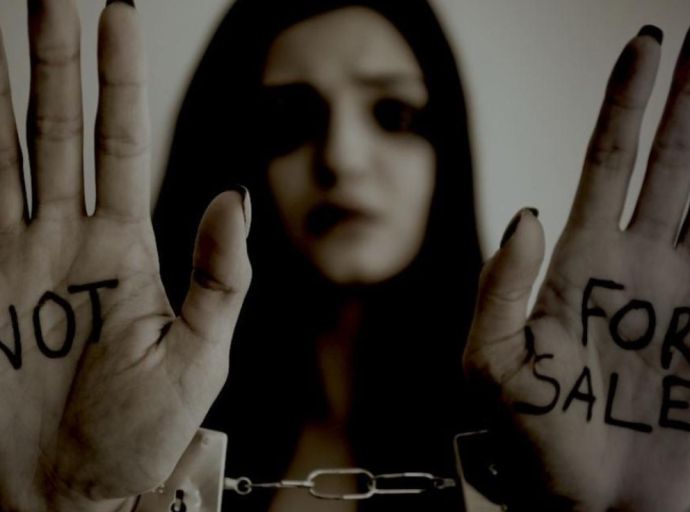
The International Criminal Police Organization (Interpol) has released new findings stating West Africa is emerging as a potential regional hub for human trafficking-fueled scam centres.
According to Interpol’s new crime trend update, scam centres have expanded their global footprint.
It said as of March 2025, victims from 66 countries were trafficked into online scam centres, with no continent left untouched.
According to an analysis of the crime trend using data from relevant Interpol notices issued over the past five years, 74% of human trafficking victims were brought to centres in the original hub region of Southeast Asia.
However, online scam centres have increasingly been observed in other regions, including the Middle East, West Africa, which could be developing into a new regional hub, and Central America.
The data revealed that while 90% of human trafficking facilitators were from Asia, 11% were from South America or Africa.
It was also revealed that 81% of facilitators were men and 61% were aged between 20 and 39 years old.
The Interpol data said it was initially concentrated in a handful of Southeast Asian countries, the centres are estimated to have drawn in hundreds of thousands of human trafficking victims, typically through false job ads, detaining them in compounds and forcing them to carry out online social engineering scams.
“While not every person committing fraud in a scam centre is a victim of human trafficking, those held against their will are often subject to extortion through debt bondage, as well as beatings, sexual exploitation, torture and rape. Online scams engineered by the centres target a second set of globally-dispersed victims, who often suffer debilitating financial and emotional damage,” the findings found.
Since 2023, Interpol has documented how this double-edged crime trend has evolved from a regional threat in Southeast Asia to a global crisis, issuing an Orange Notice to signal its serious and imminent threat to public safety.
In 2024, a global operation coordinated by Interpol uncovered dozens of cases in which trafficking victims were deceived and coerced into committing fraud, with national police officers raiding an industrial-scale scam centre in the Philippines.
In the same year, an Interpol operation saw police dismantle a scam centre in Namibia, where 88 youths were forced to conduct scams.
The Interpol update also highlights how emerging technologies and convergence with other major crime areas could transform human trafficking-fueled scam centres as the crime trend continues to evolve.
“The use of artificial intelligence (AI) has been observed in a growing number of scamming cases. AI has been used to develop convincing fake job ads that attract human trafficking victims as well as generate online photos or profiles through ‘deepfake’ technology for sextortion and romance scams, among other social engineering schemes,” the data found.
It was further revealed that the same routes used to traffic victims to scam centres can be used to traffic drugs, firearms, and protected wildlife species.
Scam centres emerged in Southeast Asia, which are also key hubs for the trafficking of endangered species, making criminal diversification likely.
Acting Executive Director of Police Services at Interpol, Cyril Gout, said the reach of online scam centres spans the globe and represents a dynamic and persistent global challenge. “Tackling this rapidly globalising threat requires a coordinated international response. We must increase the exchange of information between law enforcement in the growing number of countries affected and strengthen partnerships with NGOs that help victims and technology companies whose platforms are being exploited,” Gout said.
Helen Zille claims that the reason the Democratic Alliance has opened criminal charges against Higher Education Minister Dr Nobuhle Nkabane is because President Cyril Ramaphosa refuses to act against corruption and criminality.
Speaking to a group of journalists on Tuesday morning, Zille, the Democratic Alliance Federal Council Chairperson, said they opened charges against Nkabane for allegedly lying to Parliament and facilitating ANC cadre deployment.
“We're here today for the simple reason that President Ramaphosa refuses to be as good as his word and act against corruption, act against criminality in our parliament,” said Zille.
“Those kinds of actions go unchecked, whereas what President Ramaphosa perceives as a slight, which is a deputy minister (DA’s Andrew Whitfield) not asking him permission to go on a private trip that he didn't have to ask permission for, is punished in the strictest terms.”
Ramaphosa recently fired Whitfield from his position after he undertook an international visit without seeking presidential approval, something that Zille argues was not required.
Zille said serious fraud and misleading of Parliament appear to be condoned by Ramaphosa’s government.
“That is an enormous double standard, and that shows you that the ANC isn't at all interested in combating corruption,” she said.
“This matter concerns Minister Nkabane, the Minister of Higher Education.”
Zille accused Nkabane of announcing appointments to the SETA boards (Sector Education and Training Authorities) - that were politically motivated and filled with ANC loyalists.
“Our colleague Karabo Kakao compiled a table of all those appointed and discovered, lo and behold, that there were a whole lot of deployed ANC cadres,” Zille said.
Among the appointments that Nkabane has since been withdrawn were:
- Buyambo Mantashe, chairperson of the MERSETA board (son of Minister Gwede Mantashe)
- Nomusa Dube-Ncube, chairperson of the BANKSETA board (former KwaZulu-Natal premier)
- Siboniso Mbhele, appointee to the TETA board (head of the KZN Department of Transport)
- Loyiso Masuku, appointee to the FOODBEV board (ANC deputy regional secretary, Johannesburg)
Another point of contention, according to Zille, was Nkabane’s claim that the boards were selected by an independent panel. She they were false.
“So the next question, obviously, was to ask how they were selected? And the minister said it was by an independent board of experts,” Zille said.
“But upon further investigation, the DA found that three of the six panel members were employees in Nkabane’s department, and others were ANC affiliates.”
Nkabane had also falsely said that Advocate Terry Motau chaired the panel, however Motau vehemently denied that.
She previously refused to disclose the panel’s names, however, she later submitted them under pressure.
The list included:
- Advocate Terry Motau (who denied serving the panel)
- Asisipho Solani
- Nelisiwe Semane
- Mabuza Ngubane
- Rhulani Ngwenya
Meanwhile, Zille said the panel included Nkabane’s chief of staff, a chief director for SETAs who reports directly to the minister, and a director of corporate services close to her.
“So she put three people who work for her, and two others - one of whom denied that it was his job - into choosing these critical roles for people who administer many tens of millions (of rands), supposedly in service of higher education in our country,” Zille said.
She added, “That was a blatant lie to a committee of Parliament, which is considered a lie to Parliament itself.”
The DA has filed charges against Nkabane for allegedly misleading Parliament and abusing her position to facilitate ANC cadre deployment.
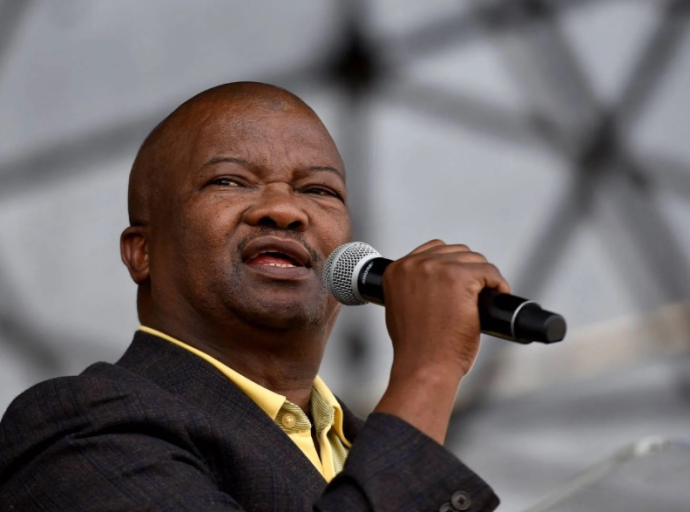
Deputy Defence Minister Bantu Holomisa said that part of the problem was that the military was not being properly funded.
Deputy Defence Minister Bantu Holomisa said that the military was not in a fit state to defend the country if attacked due to outdated equipment and underfunding.
However, Holomisa said the country was currently not under any threat of being attacked.
South Africa's military conducts regular threat analysis to determine whether the country is at risk of attack from foreign or domestic enemies.
Speaking on the Clement Manyathela Show on 702, Holomisa said the July 2021 unrest and the recent floods in the Eastern Cape "embarrassed" the South African National Defence Force (SANDF).
"Soldiers being carried by military buses going to a violent situation, it showed the defence equipment is obsolete. I cannot give another explanation, and if we were to be attacked, yes, we would respond, but I am not that confident about the state of readiness of the SANDF. Let us not mislead the people. I am not here to spin, but I must tell you the truth."
Holomisa said that part of the problem was that the military was not being properly funded.
"Every (defence) minister I can think of, they have been complaining since time immemorial that the defence is declining. How many defence reviews have been produced and the National Treasury has just ignored? They even ignored the president in 2023, who said, the budget of defence must move from 0.57% of the GDP to 1.5% of the GDP."
*This article was first published by Eye Witness News