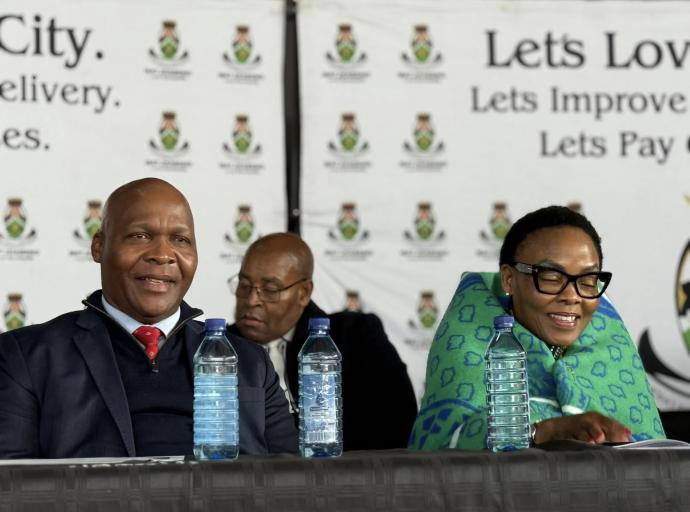
The newly elected Mayor of Maluti-A-Phofung Municipality, Tumelo Thebe, has wasted no time in setting the tone for his administration, unveiling an ambitious plan to restore dignity, improve service delivery, and rebuild public confidence in a municipality that has struggled with governance and infr...
After years of being sidelined and playing second fiddle to more prominent headliners on their home turf, Free State artists are finally stepping into the spotlight at this year’s highly anticipated Mangaung African Cultural Festival (MACUFE).
Last month, Journal News published a story titled FS Festivals Overlook Local Artists, where local performers raised concerns about being excluded from the festival and called for 90% representation at the annual event.
They described MACUFE as a platform rooted in community pride and cultural celebration - one meant to showcase local talent in music, art, and culture.
Now, their cries have finally been heard through the Journal News.
The Department of Sport, Arts, Culture and Recreation (SACR) has announced that 67% of the artists featured in this year’s main MACUFE programmes will be from the Free State.
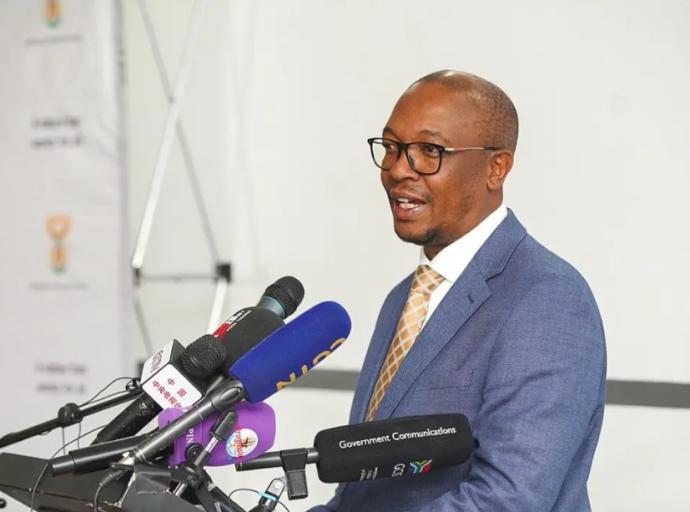
In a statement released on Tuesday, departmental spokesperson Tankiso Zola confirmed that of the 57 artists booked for MACUFE’s three flagship programmes, 38 are local artists, which is 67% of the artists lined up for the mega festival.
“When considering all 2025 MACUFE platforms - 121 out of 140 artists - an impressive 86% are Free State-based,” Zola said.
He highlighted that this development follows a commitment made by Premier Maqueen Letsoha-Mathae and MEC Zanele Sifuba during the official MACUFE launch.
Sifuba emphasised that the festival would now prioritise the development of local talent.
“Our resolve to ensure artistic development in the Free State is a matter of principle, and this growth will continue on an upward trajectory,” said Sifuba, adding that “this level of participation by our local artists across district and provincial arts and culture programmes is a testament to our commitment to creating platforms for artistic expression, showcasing talent, and enabling Free State artists to earn a living.”
MACUFE is officially scheduled to take place from 3 to 7 September 2025.
With up to 65% of adult men who participated in the Kwa-Zulu Natal (KZN) study into the prevalence of erectile dysfunction (ED), and another study finding that chronic illnesses like hypertension, diabetes, depression, obesity, anxiety and cardiovascular diseases often led to ED in men.
ED will affect 322 million men globally by 2025, as estimated by the Journal of Urology International (BJUI). While the International Journal of Impotence Research estimated in its 2010 study that 85% of men living with ED across Africa did not seek treatment.
The EmpowerED for Life campaign under global healthcare company Viatris aims to shift the narrative by ending the stigma around men’s sexual health and encouraging health-seeking behaviour.
Launched during a virtual event that was attended by various health experts on the African continent, policymakers, men’s health advocacy organisations and the media, the company indicated that the campaign would take place in key African countries like South Africa, Nigeria, Kenya, Senegal and Côte d’Ivoire.
During the campaign, the impact of ED on men’s physical, emotional and psychological well-being will be spotlighted as a growing public health crisis that requires urgent attention.
The multi-channel campaign will use digital media, community outreach programmes, academic institutions, and partnerships with healthcare providers will attempt to reach men and their partners from both urban and rural communities.
A focus will be given to promoting awareness, education, engagement and empowerment as the four pillars of the campaign.
“Through the EmpowerED for Life campaign, we are not only promoting awareness but also advocating for empathy, evidence-based care, and the normalisation of open dialogue. At Viatris, our mission is to empower people worldwide to live healthier at every stage of life, and that includes providing solutions to support men across Africa to access the information and healthcare they need to thrive,” said Head of India & Access Market (ARVs, India, South Africa and Sub-Saharan Africa), Arvind Kanda.
In its National Integrated Men’s Health Strategy 2020-2025, South Africa reports that non-communicable diseases (NCDs) like diabetes and cardiovascular diseases were among the leading causes of death in men aged 45 years and older. Stigma, poverty, feelings of compromised masculinity, confidentiality concerns, distance between facilities, gender norms and inconvenient times were some of the drivers for men not seeking healthcare services sooner.
Head of Urology Department at Sefako Makgatho Health Sciences University (SMU), Dr Shingai Mutambirw, expressed the importance of the campaign in ending some of the challenges men face and breaking the silence about ED.
“Erectile dysfunction is often dismissed as merely a performance issue or a private matter, yet it can be an early warning sign of serious health concerns like cardiovascular disease or diabetes,” he said.
“Recognising and addressing ED early allows us to intervene before complications arise. It’s time we stop treating ED as a taboo and start viewing it as a gateway to better overall health for men across Africa.”
The campaign further aims to regulate the treatment of ED and advance equity for men on the continent.
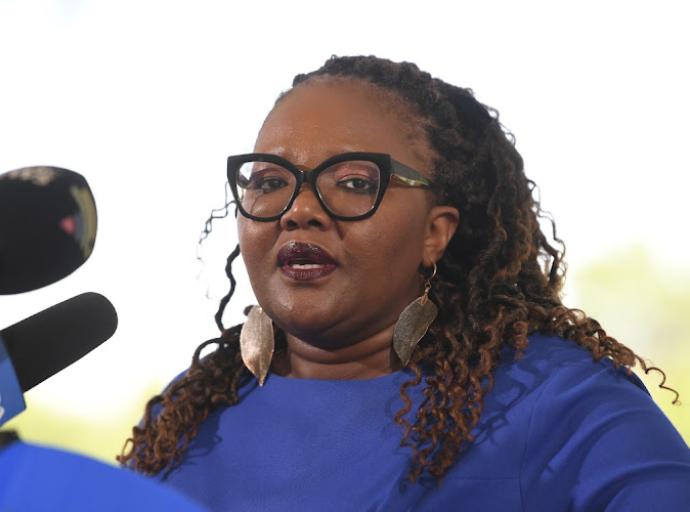
In an effort to curb the escalating crisis of gender-based violence (GBV), Matjhabeng Local Municipality Mayor Thanduxolo Khalipha and Deputy Minister of Public Service and Administration Pinky Kekana have jointly issued a passionate call for the protection of women in South Africa.
Speaking during a Women’s Month celebration at the Meloding Multi-Purpose Centre in Virginia, both the Mayor and the Deputy Minister highlighted the devastating impact of GBV on families and communities, urging citizens to break the silence and report abuse.
They emphasized the need for education, empowerment, and stronger collaboration between government, civil society, and local stakeholders to create safer spaces for women and children.
“Building a stronger, more cohesive society requires a collective effort, where men and women work hand in hand to address social challenges, promote safety, and foster healthy lifestyles. In this regard, I would like to reiterate that women play a critical role in shaping communities, and it is therefore essential that they are afforded equal opportunities to participate in all economically driven initiatives - whether spearheaded by government or the private sector,” said Khalipha.
He also reflected on the recent Men’s Dialogue convened by his office on 31 July 2025, where men from various sectors engaged in meaningful discussions under the theme: “Reclaiming Our Role – Men Taking Responsibility in Building Safer, Healthier Communities.”
According to Khalipha, the dialogue offered a vital platform for men to reflect on their responsibilities within families, workplaces, and communities, and to commit themselves to becoming agents of positive change.
Deputy Minister Kekana encouraged women to distance themselves from abusive relationships, warning that abuse often begins with minor acts and can escalate to tragic outcomes. She also called upon women in churches to pray for society and take a firm stand against all forms of social ills.
“We must continue to confront gender-based violence, economic exclusion, and the persistent inequalities that affect women, especially in rural and underserved communities. I call on every South African to be part of the solution - to uplift, protect, and empower women in their homes, workplaces, and communities. Together, we can shape a nation where gender equality is not just a goal, but a lived reality,” said Kekana.
Pretoria’s unwavering stance comes after tabling a revised offer in talks with Washington to soften the punitive tariffs imposed last week.
South Africa has reiterated that it won’t make concessions on its domestic policy in exchange for a trade deal with the United States (US).
Pretoria’s unwavering stance comes after tabling a revised offer in talks with Washington to soften the punitive tariffs imposed last week.
In a shake-up to address trade deficits, the US imposed 30% tariffs on imports from South Africa - the highest duty charged on goods from any sub-Saharan nation.
Only parts of the deal being negotiated have been made public, with a $3.3 billion investment tag into US industries such as mining and metals recycling, as well as reviewing regulation on poultry, pork and blueberry imports from the US.
In addition to demands to narrow the trade deficit, the US has tried to use its negotiating power to push South Africa to review some of its policies, including foreign policy, BEE exemptions and land expropriation laws.
While a non-disclosure agreement is in place between SA and the US on sensitive matters, Trade and Industry Minister Parks Tau said the country’s domestic policies were not up for sale.
"It’s not a very sustainable thing to do. We need to preserve our sovereignty as a country."
With the concession from other countries also in talks with US trade officials, its unclear when Washington will respond to the new offer.
*This article was first published by Eye Witness News
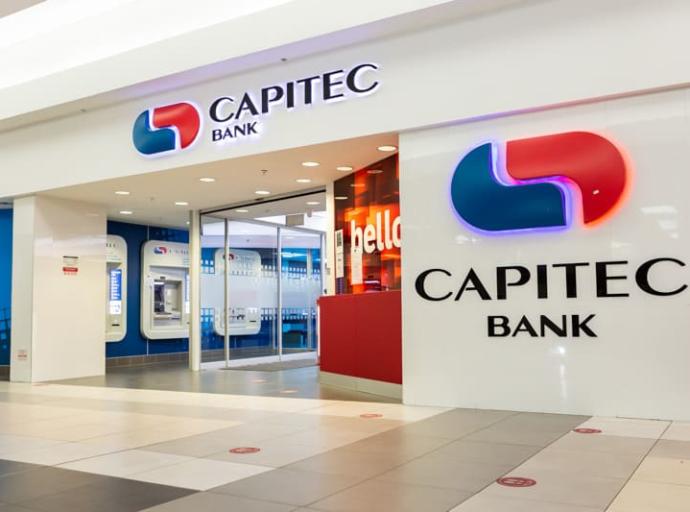
A Capitec Bank employee has successfully challenged his debarment, which occurred after the bank accused him of colluding with a colleague by accepting stolen money.
Mhleli Glwala, who had been diligently working at the Gugulethu branch of Capitec since June 2015, experienced a career upheaval when his colleague, referred to as DM, manipulated a client through a phone banking app.
In June 2024, DM performed an authorised transaction on the client's account and stole R1000 using a cash send.
DM subsequently contacted Glwala via WhatsApp, instructing him to withdraw the illicit funds and deposit R900 into his son's account and keep R100 for himself.
Following this request, the situation escalated when DM later demanded Glwala delete the WhatsApp message, a request he refused. An investigation ensued and Gwala provided the forensic team with the WhatsApp text.
When the investigation was concluded, Gwala was charged with misconduct and accused of dishonesty for assisting DM to withdraw money he had fraudulently taken from a client's account.
In his defence, Gwala denied any wrongdoing and maintained that he was unaware that the transaction was fraudulent.
In July 2024, he was subjected to a polygraph test to verify the truthfulness of his claims and the test results indicated that he was not honest regarding his knowledge about the unauthorised nature of the transaction.
During the disciplinary hearing, the bank focused on the polygraph results, however, Gwala presented evidence from DM who testified that he acted alone when defrauding the client and confirmed that Gwala was not aware of the nature of the transaction.
However, the chairperson found him guilty of misconduct and noted that Gwala blindly followed through with instructions without verifying the source of the funds and reasons for DM's request.
He was issued with a final written warning and a two day suspension. Despite the sanction, the bank initiated debarment proceedings against Gwala, and the panel decided to debar him in December 2024.
Gwala sought relief at the Financial Service Tribunal where he maintained that he was innocent and said when he withdrew the funds he believed he was assisting a senior colleague.
To bolster his case, Glwala told the tribunal that he had provided the bank with unaltered WhatsApp conversations and argued that DM had testified to acting independently in committing the fraud, thus absolving him of any culpability.
He also highlighted that the bank’s own internal proceedings did not conclude his actions warranted dismissal, indicating a lack of justification for the penalty of debarment.
He said he also offered to pay back the R100.
The bank opposed Glwala's application, asserting that even if he claimed ignorance, his conduct demonstrated lack of honesty and integrity expected from financial service representatives. It was further argued that Glwala should have reported the unusual request for deletion of the WhatsApp message to his superiors, expressing concerns regarding his ethical judgment.
The bank also relied heavily on the polygraph test and said the results supported their view that Gama was intentionally involved in the scheme and he willingly accepted the R100.
Presiding over the matter, Advocate Kagiso Magano scrutinised the bank's stance, ultimately ruling in favour of Glwala. She stated that the assertions regarding Glwala's dishonesty were speculative and unsupported by concrete evidence.
"None of the provided facts establish that he was dishonest. They don't provide direct insight into his state of mind or prove that he possessed a fraudulent intent...The bank's case is based on inference of knowledge, yet no direct evidence was presented to prove that Gama was aware of the fraud," said advocate Maga
She further added that the bank didn't challenge DM's testimony, and his evidence as the perpetrator provided a compelling alternative to Gama's circumstantial case.
Moreover, it was held that the bank allowed Gama to continue working and this contradicted their claims that he no longer met the requirements of a fit and proper financial representative.
"The purpose of the debarment is to protect the public from dishonest or untrustworthy representatives. If the applicant's (Gama) actions were negligent, meaning he made a mistake without malicious intent, then the debarment is disproportionate and unjust sanction," said advocate Magano.
Advocate Magano set aside the bank's decision to debar Gama.
Basic Education Minister Siviwe Gwarube has been accused of using the gazetting of the Basic Education Laws Amendment (BELA) Act regulations to sow confusion, delay the implementation of the Act and advance the DA’s political agenda.
THE South African Democratic Teachers’ Union (SADTU) has accused Basic Education Minister Siviwe Gwarube of using the gazetting of the Basic Education Laws Amendment (BELA) Act regulations to sow confusion, delay the implementation of the Act and advance the DA’s political agenda.
Gwarube recently gazetted the first two sets of regulations under the Basic Education Laws Amendment Act, 2024 (BELA Act) for public comment, saying two regulations, which deal with language and school capacity were designed to ensure that the amendments in the BELA Act were implemented in a manner that upheld learners’ rights, enhanced school functionality, and maintained a careful balance of powers and functions between school governing bodies and the government in the management and governance of schools.
Further regulations would be released for public comment as soon as they were finalised, vetted, and approved, she said.
However, the move has been met with mixed reactions, with the Portfolio Committee on Basic Education among the first to raise concerns that Gwarube may be undermining the intent of the Act through a fragmented rollout of draft regulations and the use of terminology that appears to deviate from the language and purpose of the Act.
“The regulations on admissions, for example, refer to taking into account the demographics and education needs of the ‘surrounding community’. In the Bela Act the responsibility for admission policy lies with the head of department (HOD) and is based on the ‘broader Education Districts’. This potentially reinforces local demographic homogeneity, contrary to the type of inclusivity the Act intended,” said Maimela.
While the BELA Act refers to the broader community in the education district in which the public school is situated, the gazetted regulations instead use the term “feeder zones” to manage learner numbers and coordinate parental preferences.
The introduction of “feeder zones” in the regulations deviates from the BELA Act, which references “education districts”, said Maimela.
“This, points to keeping previously disadvantaged learners out via location. Historically it has been linked to exclusion. It seems these regulations are attempting to re-write the Bela Act and re-introduce matters that were unsuccessfully contested in the Bela Act legislative drafting process,” Maimela added.
Sadtu said they were still studying the regulations and intended to make their submissions on or before the deadline.
“In June this year, the Minister released guidelines for the implementation of the BELA Act, a move that SADTU strongly rejected as the Act does not empower the Minister to issue implementation guidelines. The Minister is only allowed to make regulations. SADTU viewed the issuing of guidelines as an attempt to sow confusion, delay the implementation of the Act and advance the DA’s political agenda against the full implementation of Sections 4 and 5. SADTU will exercise extreme vigilance to ensure that the regulations align strictly with the letter and spirit of the BELA Act,” the union said.
GOOD Party secretary-general Brett Herron said Gwarube cannot use the regulations to introduce concepts that undermine or "limit the rights created by Parliament through legislation".
Herron added that school language policies remain among the most contested and politically weaponised tools used to preserve historical privilege.
“Regulations must not be allowed to reinforce this. BELA was meant to reform outdated admissions and language policy frameworks and dismantle the spatial, linguistic, and racial barriers that persist in South Africa’s public education system. However, the wording of the regulations does not reflect that intention. Instead, the Minister has selectively chosen language that risks entrenching exclusion,” said Herron.
Parents for Equal Education South Africa (PEESA) said the organisation had mixed feelings, while they did not seek to strip School Governing Bodies (SGBs) of their power entirely, they believed that reform was necessary to enforce accountability where it had long been lacking.
“The Western Cape was the only province that took real issue with the Bella Bill, they call it centralisation of power, (but it's) because they didn't want to be held accountable for the exclusion, discrimination that they have embraced for far too long. The Bella Bill forces them to account, now we will address real issues such as inequalities, they can't hide behind an SGB anymore. Because for far too long former model C schools have gotten away with the violation of the rights to basic education for all learners,” said PEESA founder Vanessa Le Roux.
While Gwarube’s office did not respond to requests for comment by deadline, the draft regulations are available on the Department of Basic Education’s website and in the Government Gazette No. 53119 and 53120 of 6 August 2025. Comments on the draft regulations must be made by September 30 via This email address is being protected from spambots. You need JavaScript enabled to view it.