Months of uncertainty surrounding the controversial Bodulo Mothong housing project could come to an end today when the Free State High Court delivers judgment in a closely watched legal battle that could determine the future of hundreds of vulnerable families awaiting relocation to safer living cond...
More than 111,000 patients living with HIV have defaulted on their treatment in the past two years, a figure health experts warn is deeply concerning and largely linked to mental health challenges. While the numbers are worrying, professionals stress they are not new, and that addressing the mental health burden is critical to improving adherence.
According to Professor Ashraf Kagee, Distinguished Professor of Psychology at Stellenbosch University, co-director of the Alan Fisher Centre for Public Mental Health, and member of the Academy of Science of South Africa, stigma, depression, and the daily grind of poverty all contribute to patients falling out of care.
“I don’t know if it’s possible to break the stigma overnight. It’s a long process of educating people, of exposing them to alternative ways of thinking,” said Kagee. “Some decades ago, there was a big stigma around cancer. People didn’t talk about it, it was mysterious. Now, there’s far less stigma about most forms of cancer. The same shift is possible for HIV, but it takes time.”
He added that many who default on treatment may have competing demands on their attention. Some people may be struggling with depression and anxiety on top of social stressors.
“For a lot of people who are poor, in a country like South Africa and a city like Cape Town, daily life is a challenge. If people are living in unsafe neighbourhoods, if there’s unemployment, if you don’t have a job, if you’re living in a shack that’s not properly equipped with water and electricity, if it’s overcrowded the daily grind is a challenge. In that context, adhering to medication if people are asymptomatic, if they don’t necessarily feel ill, may not be highly salient.”
Kagee emphasised that treatment defaulting is not an individual failure but a systemic issue. “There are many structural factors at play, such as stigma and the burden of long queues at clinics when people need to work or care for children.”
Despite these challenges, he stressed that treatment is effective. “The key message is that adherence to HIV medication is extremely important. People can live long, healthy lives if they take their medication as prescribed.”
Kagee praised the Western Cape Health Department for their efforts and offered advice for patients.
“If patients experience depression, anxiety or trauma, they should seek help. Services such as Cape Mental Health or the Counselling Hub in Woodstock can assist, and doctors at clinics can refer patients to psychologists or psychiatrists in the public system. Additionally, following medication instructions, maintaining good nutrition, exercising, managing stress, and engaging socially all support overall health.”
He also highlighted barriers for men and young people. “Many public clinics are feminised spaces where most nurses and patients, even doctors are women, Some men uncomfortable there as if they don't belong. We need to place extra emphasis on men’s engagement in care.”
He said young people face their own challenges around disclosure, particularly those infected vertically from their mothers or through sexual activity, making adherence more complex.
Kagee said that one way the challenge of treatment adherence can be addressed is by tackling stigma, strengthening healthcare access, and expanding psychosocial support. “Adherence to treatment should be seen not as an individual failing, but as a collective responsibility shaped by the conditions in which people live.”
A professional nurse working with ARV patients said mental health and stigma are central issues. “If you can fix the mind, we can conquer the stigma around HIV. Many patients grow tired; it is a lifetime treatment, and the stigma makes it harder. Some still believe HIV can be contracted through sharing a toilet or kissing. Education from a young age is vital.”
The nurse added that some patients ask for unlabelled containers for their medication. “They put pills into another container because of how family or community perceive HIV-positive people.”
On Tuesday, the Western Cape Department of Health and Wellness, together with the National Department of Health, hosted a campaign encouraging people to start or restart HIV or TB treatment. The Close the Gap Community Outreach event also marked the official launch of the Close the Gap campaign in the province.
Department spokesperson Shimoney Regter said the initiative aims to support patients and raise awareness about treatment adherence and mental health support.
Dr Melané van Zyl, member of the South African Society of Psychiatrists, highlighted the psychological and social barriers that prevent patients from staying in care.
“People suffering from HIV often have to deal with psychological barriers that impede access to care. This includes suffering from depression and anxiety, which impede the motivation and energy to access care.
“They often have to face stigma and have a fear of disclosure of the HIV status. They have to deal with low social support and isolation, and they often have to deal with their condition alone. They struggle with feelings of hopelessness. They are scared of the future and often live with denial and avoidance,” Dr van Zyl said.
Structural and socioeconomic factors also play a role. Patients must negotiate poverty, previous trauma, substance abuse, and the daily stresses of life, which often make adherence to lifelong treatment challenging.
She added that adolescents and young women are particularly vulnerable, with only 38% remaining in care for two years due to discrimination from families and healthcare workers. Men, rural populations, and marginalised groups also face barriers, including clinic access, stigma, and unsafe or unsupportive environments.
To support patients, Dr van Zyl advocates for person-centred care, rapid treatment initiation, and psychosocial interventions.
“It is important that counselling is provided at the time of return to service and that treatment can be initiated rapidly again with a non-judgmental attitude towards patients. Peer and community support structures and outreach programmes, including home visits, phone calls, SMS reminders, and community-based engagement, are also vital.”
She emphasised the importance of addressing stigma and social barriers: “Stigma is difficult but not impossible to overcome. Sharing experiences, community support, and accessible care are crucial. HIV is a very treatable condition, and with proper support, patients can lead long and fulfilling lives.”
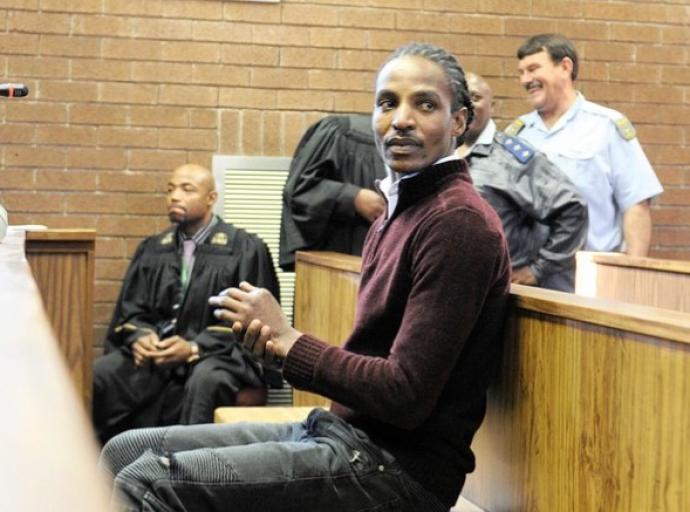
The Department of Correctional Services has denied reports that Brickz, a kwaito musician, was freed from jail.
Sipho “Brickz” Ndlovu, a convicted rapist, is still incarcerated at Leeuwkop Maximum Security Prison, where he is serving a 15-year sentence.
Brickz’s release has been the subject of social media rumours.
Fake news
“He is still serving time. The whole blow-up started after a video was posted by a fellow artist. The incident led to the assumption that he has been released,” Nxumalo told Sunday World on Monday.
He added that, like others, there are specific steps and procedures that must be followed in order to be released on any kind of parole or condition.
“But as it stands, Mr Ndlovu is still behind bars,” Nxumalo said.
In South Africa, parole is a conditional release granted after an offender serves a portion of their sentence, not a right, and is dependent on the offender’s rehabilitation and merit.
Ndlovu was convicted by the Roodepoort Magistrate’s Court of raping his 16-year-old niece in 2013, and he is currently serving a 15-year sentence.
Member of a prison choir
He worked on his rehabilitation while incarcerated and is a student and singer in a prison choir. Ndlovu completed a course on marketing management at Boston City Campus last year.
After noticing the victim’s changes in personality, his wife, Nqobile Ndlovu, was the one who called the police.
According to the state at the time of his court case, Ndlovu pushed the girl onto the bed after entering a bedroom where she was eating lunch.
He then threatened to kill the teenager if she shared the experience with anyone.
*This article was first published by SundayWorld News
This year’s Medium Term Budget Policy Statement (MTBPS) will be tabled in Parliament by Finance Minister Enoch Godongwana on the 12th of November.
The National Assembly will consider and adopt it on the 13th of January next year.
Parliament says this year’s consideration of the MTBPS is the direct knock-on effect of the national budget that was tabled later than usual.
This year’s national budget was passed by the National Assembly after Godongwana tabled it for a third time.
It’s tabling in February was postponed after disagreements in the Cabinet due to a proposal of two percentage point value-added tax (VAT) increase.
There was also a court challenge by the Democratic Alliance (DA) and Economic Freedom Fighters (EFF) of the 0.5 percentage point VAT hike that was approved by the National Assembly.
In the end Godongwana tabled a budget that maintained VAT at 15 percent, and it was passed by Parliament.
The Gauteng Department of Education has promised to enlist the help of law enforcement agencies to help prevent Operation Dudula from disrupting the province's academic programme in the new academic year.
This comes as Operation Dudula visited some Soweto schools, with allegations that they prioritise undocumented illegal foreigners in their system.
Yesterday, the movement and its leader, Zandile Dabula, who have been criticised for their nationwide campaign aimed at preventing illegal foreigners from accessing health care, delivered warning letters to 11 Soweto schools ahead of the next academic year.
The movement said it was calling on public schools in townships to prioritise South African learners over foreign nationals, with the movement adding that this initiative is part of a broader campaign ahead of next year’s local government elections.
"We have been to four schools now, and we have a target of 11 schools. We are glad that some of the schools do admit the wrongs that are happening in their schools. Another issue that we do have is undocumented South Africans. They are not getting help from Home Affairs when they are given three months' probation to become documented," Dabula said.
The campaign began with a visit to the Lofentse High School for Girls in Orlando East, Soweto, and Noordgesig Primary School, among others, where "warning letters", stating that no South African child would be deprived of education in favour of foreign nationals, were delivered.
The campaign comes just two days after the EFF in Gauteng opened a criminal case against the movement, accusing the militant group of inciting violence and unlawfully targeting foreign nationals at public healthcare facilities in South Africa.
This was confirmed on Sunday by the Gauteng police spokesperson, Lieutenant Colonel Mavela Masondo, who revealed that investigations are underway.
According to the EFF, the case relates to the death of a one-year-old baby whose mother was allegedly denied access to healthcare at a public health facility.
This campaign has also been slammed by Gauteng provincial MEC Nomantu Nkomo-Ralehoko, who said: "Health services are for everybody. It doesn’t matter whether that mother is having a child who is Malawian, but that child is a child that doesn’t deserve to die.”
Reacting to the latest school campaign, provincial spokesperson for the Gauteng Department of Education, Steve Mabona, said the province has a duty to provide education to all children, including those deemed undocumented and illegal, as there are also South Africans who may be undocumented.
"All children of school-going age must be in school. Now it is even worse because there is Grade R, and the law dictates that they must be taught. We argue that it is not only foreigners who are undocumented. We do have South Africans who are undocumented. We also work closely with the Department of Home Affairs, and we guide parents on how to get their children documented," he said.
On the upcoming campaign set to start in the new year at schools across the country, Mabona said the department will not allow for schooling to be disrupted by those seeking to prevent undocumented children from accessing education.
"It is not unreasonable for anyone who is here in the country illegally to be deported, but that is the work of Home Affairs...Unfortunately, as a department, we cannot enter into their plan. But as a department, we have a responsibility to work very closely with the law enforcement agencies to make sure that there is law and order in our schools.
"Anything that you do, as long as it is within the confines of the law, should not be a problem. But if you go into our schools and do anything unlawful, then the law enforcement agencies must assist us," Mabona said.
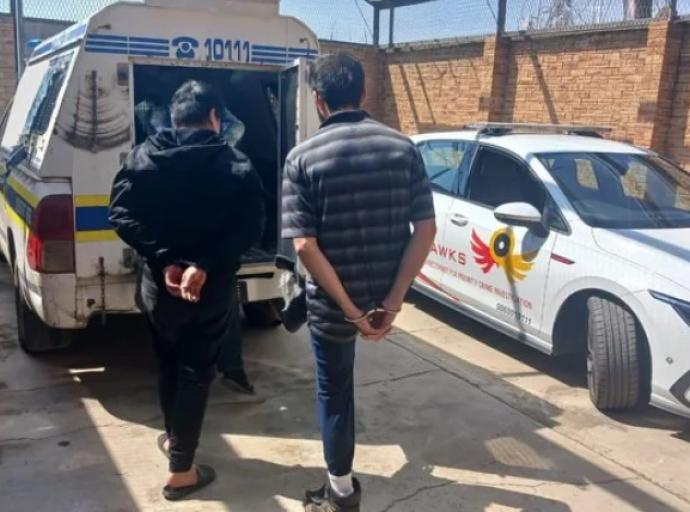
Six suspects — including five Mexican nationals and a South African — have appeared before the Volksrust Magistrate’s Court following the dramatic discovery of a multimillion-rand clandestine drug laboratory on a farm in Mpumalanga.
The suspects, identified as Isabel Antonio Quintero Corrales (36), Hector Manuel Valenzuela Ontiveros (36), Luis Alberto Osorio Viscarra (31), Jose Omar Molina Jimenez (36), Nicanor Molina Jimenez (48), and Bafana Samson Magubane (61), were arrested during a police raid at Ousehoutklood farm outside Volksrust.
Police swooped in after a whistle-blower reported a foul chemical smell in the area. On arrival, officers discovered a fully operational drug laboratory containing chemicals, crystal meth, and sophisticated manufacturing equipment.
Magubane was also found in possession of three 9mm live rounds but was unable to produce a firearm licence. He now faces an additional charge under the Firearms Control Act.
According to authorities, the five Mexican nationals were carrying travel documents which are now under scrutiny. The Department of Home Affairs will be roped in to verify their legality.
The case has been postponed to Friday, 26 September 2025, to allow for the services of a Spanish interpreter.
Possible cartel links under probe
The Hawks’ Secunda-based Serious Organised Crime Investigation unit has taken over the probe, with detectives now investigating potential international cartel links.
The bust comes just months after a similar clandestine laboratory was uncovered in Standerton, less than 100km away, where equipment, chemicals, and drugs worth more than R50 million were seized.
Hawks provincial head in Mpumalanga, Major General Nico Gerber, hailed the community’s role in helping to crack the case. “Together, we can do more in squeezing the space for drug syndicates. The Hawks have taken over investigation and will investigate the links and involvement of the Mexican nationals arrested,” he said.
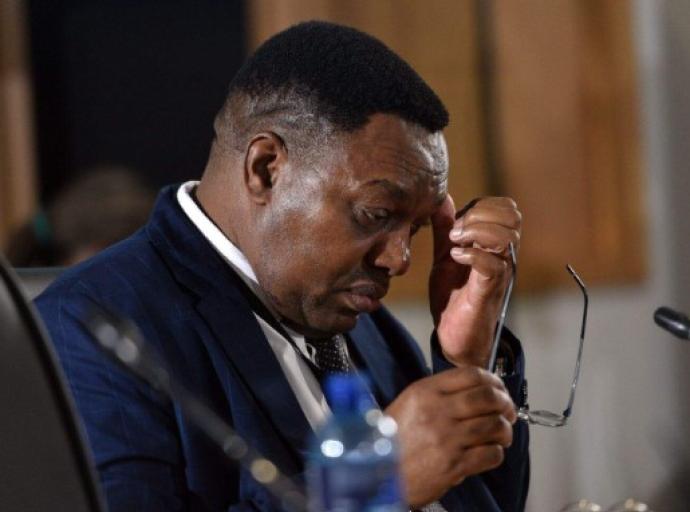
Masemola testified at the Madlanga Commission of Inquiry in Pretoria on Monday, which is investigating allegations of police corruption.
National Police Commissioner Fannie Masemola has revealed that he informed President Cyril Ramaphosa about Police Minister Senzo Mchunu's attempt to disband the Political Killings Task Team (PKTT)
Masemola testified at the Madlanga Commission of Inquiry in Pretoria on Monday, which is investigating allegations of police corruption.
A significant part of his testimony centered on efforts to dissolve the task team.
KZN police commissioner Nhlanhla Mkhwanazi has alleged that Mchunu may have sought the disbandment to shield criminal syndicates.
Masemola said that, although he opposed Mchunu's bid to disband the PKTT, he eventually conceded to the instruction because of mounting pressure.
He said once it became evident that Mchunu was determined to dissolve the unit, he escalated the matter to the president as a last resort.
"The only avenue I know is the president. In this case, General Mkhwanazi did report this to the portfolio committee of police, with no assistance, and I can't go to court and take the minister to court."
At the heart of the issue was the interpretation of Section 207(2) of the Constitution, which states that the national police commissioner must exercise control over SAPS in line with the directions of the police minister.
Masemola admits that Mchunu's instruction to disband the political killings task team was not supported by the constitution.
Despite this, he still conceded to the minister's order.
*This article was first published by Eye Witness News