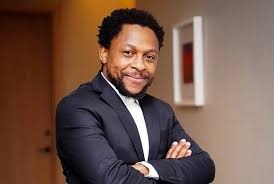
Ndlozi Criticises Ramaphosa’s Address, Sparking Online Political Debate
Political commentator and broadcaster Mbuyiseni Ndlozi has sharply criticised remarks made by President Cyril Ramaphosa, accusing the head of state of prioritising personal political defence over urgent national concerns.
The criticism, shared by Ndlozi on 12 May 2026 via the social media platform X (formerly Twitter), followed Ramaphosa’s recent public address in which he reiterated his commitment to remain in office and uphold the Constitution, while responding to allegations levelled against him. The President maintained that he had committed no wrongdoing, describing the claims as unsubstantiated and confirming his willingness to cooperate with any formal investigations.
However, Ndlozi argued that the address failed to acknowledge pressing humanitarian challenges facing parts of the country, particularly severe storms and heavy rainfall affecting regions such as the Western Cape. In his post, he suggested that the President’s focus on defending his position overshadowed the immediate needs of communities impacted by weather-related destruction.
“Storms and heavy rains are devastating people's lives in the Cape. The chap took the platform to address us about not resigning and made zero mention of this weather crisis. Nothing about our people’s well-being in this difficult time,” Ndlozi wrote.
He further described the speech as reflective of “terrible leadership,” arguing that a national address should prioritise public welfare and disaster response over political rebuttals. His comments quickly circulated online, drawing widespread engagement and polarised reactions.
Some social media users echoed Ndlozi’s concerns, expressing frustration that the President did not directly address the impact of the adverse weather conditions or broader socio-economic challenges such as unemployment and migration pressures. Critics in this camp argued that leadership messaging should be more responsive to immediate crises affecting citizens.
Others, however, defended Ramaphosa, stating that expectations for him to address natural weather events in the same speech dealing with governance and constitutional matters were misplaced. Supporters of the President also dismissed the critique as politically motivated, accusing Ndlozi of unfairly targeting the head of state.
The exchange has since added to ongoing public debate around political accountability, leadership priorities, and the tone of national communication during periods of crisis. While Ramaphosa’s office has not directly responded to Ndlozi’s remarks, the incident reflects continued tensions in South Africa’s political discourse, particularly on the role of executive leadership in balancing governance, crisis response, and public communication.
This article was originally posted by The Briefly