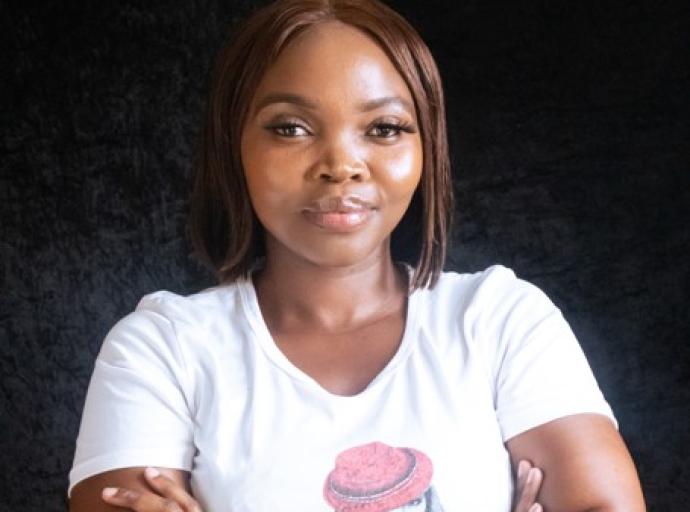
The newly elected Mayor of Maluti-A-Phofung Municipality, Tumelo Thebe, has wasted no time in setting the tone for his administration, unveiling an ambitious plan to restore dignity, improve service delivery, and rebuild public confidence in a municipality that has struggled with governance and infr...
President Cyril Ramaphosa has conceded that South Africa is grappling with the United States’ decision to impose a 30% tariff on local imports, but insists the country is not alone in facing mounting global trade challenges.
In his weekly newsletter, Ramaphosa described the new US tariffs as a stark reminder of the urgent need to adapt to increasingly turbulent headwinds in international trade.
“The US is South Africa’s second-largest trading partner by country, and these measures will have a considerable impact on industries that rely heavily on exports to that country and on the workers they employ, as well as on our fiscus,” he said.
Sectors such as agriculture, automotive and textiles have historically benefited from duty-free access to the US market under the African Growth and Opportunity Act (AGOA), which now faces disruption.
Ramaphosa said that South Africa’s trade relationship with the US has historically been complementary, saying local exports “do not compete with US producers and do not pose a threat to US industry”.
“Largely, our exports are inputs into US industries and therefore support the United States’ industrial base,” he said.
“South Africa is also the biggest investor from the African continent into the US, with 22 of our companies investing in a number of sectors including mining, chemicals, pharmaceuticals and the food chain.”
The 30% tariff was recently announced by the Trump administration and will take effect on 7 August.
South Africa is the only country in sub-Saharan Africa singled out for the steep tariff, reflecting deteriorating relations between Pretoria and Washington.
Other African countries, such as Lesotho and Zimbabwe, will face a 15% tariff from the same date.
The announcement is a significant blow to South Africa’s economy, particularly as the government had been working to strengthen trade ties with the US.
This included deals on liquefied natural gas imports, easing poultry import regulations and investments in US industries.
Ramaphosa defended South African imports, arguing they ultimately benefit US consumers through greater variety and lower costs.
“For example, citrus production is counter-seasonal and does not pose a threat to US production,” he said.
“Furthermore, production by US companies has been on the decline due to low yields, citrus greening disease and other factors unrelated to competition from imports.”
South Africa, the world’s second-largest citrus exporter, has helped to stabilise supply and prices in the US market.
“We have been engaging the United States to enhance mutually beneficial trade and investment relations. All channels of communication remain open,” said Ramaphosa.
“Our foremost priority is protecting our export industries.”
He said the government would continue to engage with US officials while also accelerating efforts to diversify export markets, particularly within Africa.
“With a view to helping our producers and exporters aggressively explore alternative markets, we have established an Export Support Desk to assist affected producers,” he said.
Ramaphosa added that details of a support package for companies, producers and workers impacted by the tariffs would be announced soon.
He said the intervention would also assist industries seeking to expand into regions such as the rest of Africa, Asia, the Middle East and other existing trade agreement markets.
“Strengthening regional value chains will be key to building resilience for our export markets in the longer term,” he said.
“Much as strengthening and establishing alternative value chains will take time, this moment presents us with an opportunity to push forward with the implementation and expansion of the African Continental Free Trade Area (AfCFTA).”
Ramaphosa stressed the need to reduce South Africa’s dependence on specific export markets, calling it a “strategic imperative” to build economic resilience.
“In the coming months, we will be scaling up our trade missions into new markets in Africa and beyond, as well as the National Exporter Development Programme, whose aim is to grow the pool of export-ready companies,” he said.
Relations between South Africa and the US have been under strain since Donald Trump’s return to office.
Trump has opposed several South African policies, including land expropriation, which he controversially claimed allowed land to be taken from white farmers.
The Presidency has firmly denied such claims, including that one of genocide on white farmers.
Ramaphosa met with Trump in May in a bid to mend relations, but no progress was made as things had gone worse.
Despite growing tensions, Ramaphosa insisted that South Africa is not alone in facing high tariffs.
“A number of export-reliant developed and developing economies, including several on the continent, are also grappling with these measures,” he said.
“The international trading system is changing. Complacency will not serve us, and building resilience is imperative.”
Meanwhile, the Minister of Departments of Trade, Industry and Competition Parks Tau and Minister of International Relations and Cooperation Ronald Lamola will be having a joint press briefing on Monday morning to address the issue of high tariffs.
The briefing will take place at 10 a.m. at the Germiston Civic Centre, in Ekurhuleni.
Meanwhile on Saturday, ANC NEC member Dr Kgosientsho Ramokgopa told journalists there had been a “spirited and robust” discussion on the US tariffs.
He said negotiations between the US and South Africa were ongoing, and expressed confidence that the two nations “would be able to find each other”.
In today’s hyper-connected world, where news spreads at lightning speed and social media fuels instant reactions and public outcry, activists flood courtrooms with pamphlets demanding justice, blurring the line between fairness for victims and the accused.
As rallies turn into courtroom demonstrations, while social media hashtags evolve into public verdicts, the judicial process faces unprecedented scrutiny. Judges and juries must now navigate not only legal arguments but also the weight of public opinion amplified online.
While many see this activism as a vital force for accountability, others warn that it risks undermining the impartiality of the courts and the presumption of innocence until proven guilty.
In 2023, it was nearly impossible not to know the names of Lerato Masiu, Lesego Mamello Motaung, and Machaka Radebe. They stirred national outrage and filled timelines and news headlines alike.
Marked by mystery, fear, and untimely tragedy, their cases gripped the nation, striking deep at the heart of communities and fuelling a wave of public pressure that may have complicated judicial proceedings.
Though they once dominated public discourse, these cases now sit in uneasy silence, unresolved and haunting. They remain lodged in the public memory, raising troubling questions about accountability, transparency, and whether the justice system is capable of delivering closure to families, friends, and a nation still watching.
Motaung, who was 22 years old at the time, left her home in Uitsig on 30 October 2023 to go to work - but never made it. Her aunt reported her missing, and to this day, both Motaung and her alleged abductors remain unaccounted for.
Similarly, Masiu’s whereabouts remain unknown after she was reported missing in November 2023. It is alleged that she was abducted by an unidentified man disguised as a police officer, who claimed to be investigating a Facebook-related matter involving her. In a chilling turn of events, he took Masiu from her home—right in front of her mother—and vanished.
The case of 16-year-old Radebe further fuelled public outrage. She was allegedly kidnapped from her home in Bloemfontein in December of the same year. Just two days later, her body was discovered in Phase 9 with multiple stab wounds.
In a blog post published in June 2025 under the headline Inside South Africa’s Criminal Justice System: Who Gets Bail and Why?, Northern Cape-based law firm Engelsman Magabane noted that public outcry often erupts when individuals charged with serious crimes are granted bail.
The firm stressed, however, that courts are guided by legal principles, not public sentiment. As Judge Dennis Davis once remarked: “Justice cannot be served by sacrificing constitutional rights on the altar of public outrage.” It further said that the constitution demands fairness for both the accused and the victims. The legal system must remain objective, ensuring that each case is judged on its merits, not emotions.
Yet, gender-based violence (GBV) activists argue that public pressure and demonstrations are crucial tools for drawing attention to stalled investigations and pushing authorities to act with urgency.
Frustrated by recurring delays and what many see as systemic failure, Buang Basadi founder and former Free State Premier, Sefora Ntombela, has called for a national conversation on reinstating the death penalty.
“When you brutally kill our daughters, we die with them,” Ntombela told Journal News this week.
“The solution is to open up the discussion about the death penalty. Families have faced delayed investigations, poor communication, lost evidence, and in some cases, complete indifference. Our presence in courtrooms sends a clear message that communities are watching. It may not always guarantee justice, but it ensures these cases don’t disappear into silence,” she added.
Buang Basadi has long supported families affected by violence, including the widely publicised case of 19-year-old Kamogelo Baukudi, whom Ntombela described as “particularly tragic and complex.”
Baukudi became the latest victim in a series of abductions in the Free State. He was allegedly kidnapped by two men impersonating police officers in Fichardt Park, Bloemfontein, and held captive for more than 20 days. He was eventually found alive in Wepener, roughly 110 km outside Bloemfontein, and reunited with his family.
National Prosecuting Authority (NPA) spokesperson Mojalefa Senokoatsane confirmed that the Baukudi case is active and ongoing, and has not been influenced by public opinion.
“The NPA opposed bail during court proceedings; however, the court exercised its discretion and granted it. The matter continues unhindered in court. The NPA remains committed to prosecuting based on available evidence, in line with the principle of acting without fear, favour, or prejudice.”
Commenting on public perceptions of justice, Nthabiseng Dubazana, attorney and director of Dubazana Attorneys Incorporated, said many suspects are “convicted in the court of public opinion” before receiving a fair trial.
“The public doesn't control how cases are handled,” she explained.
“But many suspects are judged guilty long before their day in court. Complicating matters, our SAPS personnel often lack the training and tools needed to uncover new evidence. Some cases grow cold, leaving detectives demotivated. That leads communities to believe public attention is compromising justice, when in fact, it is systemic challenges within law enforcement,” added Dubazana.
Meanwhile, SAPS spokesperson Captain Loraine Earle confirmed to Journal News that there are no significant new developments in the investigations into the disappearances of Masiu and Motaung. However, she said that all efforts to trace them are ongoing.
Captain Earle also urged the public to refrain from spreading conspiracy theories and unverified claims, warning that such actions complicate investigations and delay progress.
“Our investigations are guided by facts, evidence, and due process,” she said.
Ever since the huge fake alcohol crime bust carried out by the Free State South African Police Service (SAPS) and the Department of Economic Development, Small Business, tourism and Environmental Affairs (DESTEA) in East End Business Park in Bloemfontein in March 2023, many thought this progressive development would reduce or slow down the illegal alcohol trade market.
Two years down the line, this market continues to thrive relentlessly, leaving communities still widely exposed to the extreme dangers of consuming poisonous and possibly deadly alcoholic beverages.
The Bloemfontein bust saw large volumes of fake alcohol - estimated to be worth around R1 million - being confiscated, with a Chinese national being apprehended and charged with contravening the Consumer Protection Act, Counterfeit Goods Act, as well as non-compliance with the Business Act.
Despite making major headlines all over and with erstwhile DESTEA MEC, Thabo Meeko, warning perpetrators that their continued production and sale of illegal alcohol would lead to dire consequences, the trade persists regardless.
The consumption of counterfeit alcoholic beverages has a significant impact on society. New research by the Drinks Federation of South Africa (DF-SA) on the illicit alcohol market shows that the industry has grown by 55% since 2017, with the fake alcohol market said to be valued at R25.1 billion in 2024. These figures continue to rise, according to DF-SA.
A national consumer survey, involving a total of 707 respondents nationwide, was also conducted, highlighting the rapidly growing public concern in this regard. According to the survey, 80% of respondents are worried about the health risks of drinking unregulated fake alcohol; 49% of them claim to personally know someone who has been harmed by it, while 29% reported that they knew someone who has died from consuming fake beverages.
This has prompted law enforcement authorities to upscale their effort in trying to clamp down on this trade.
“We have observed a steady increase in public awareness and reporting of counterfeit and illicit goods, including alcohol. Through intensified operations such as Operation SHANELA II, we’ve seen improved community cooperation and more targeted interventions, leading to successful confiscations,” said Free State SAPS Captain Lorraine Earle.
“SAPS has a dedicated National Counterfeit Goods Unit, which leads efforts to combat the illicit trade in counterfeit and contraband items. At the Provincial level, police officers collaborate regularly with stakeholders during daily operations to tackle these crimes,” she added.
According to Earle, the SAPS noted that these operations are a joint effort with other regulatory boards, such as the Liquor Board.
“We maintain a strong working relationship with the Free State Liquor Authority. Joint operations are conducted regularly to inspect licensed premises and identify non-compliant outlets, particularly those dealing in unregulated or counterfeit alcohol. A dedicated priority committee also monitors such activities. These collaborative efforts are vital in disrupting illegal supply networks.
“We continue to encourage consumers to purchase alcohol only from licensed vendors and remain alert to unlabeled or unusually cheap products. The fight against illicit trade remains a shared responsibility, and public support is essential to its success,” she concluded.
The bass wasn’t thumping—it was humming through the floorboards as Thokozile 'DJ Zile' Mokgang said her last goodbyes at the Mahube Tumelo hall in Rocklands yesterday.
Zile broke all cultural and music barriers, all speakers at the funeral attested. As heaven lights strobe on her beautiful sets, the Bloemfontein music scene will never be the same.
"One thing we will never forget about Thoko is her smile - it was the best" her friends added.
Grief hung thick between the speakers—a crowd more accustomed to losing themselves in rhythm than confronting loss when a tribute was held after the funeral with all welded blends of the late DJ Zile's sets later that day.
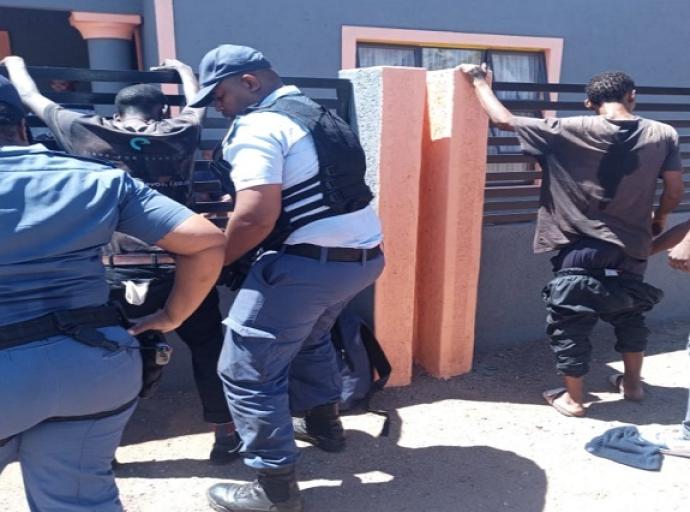
Mpumalanga MEC for Community Safety, Security and Liaison, Jackie Macie has welcomed the arrest of about 478 illegal miners by police on Friday during Operation Vala Umgodi at a mine in Barberton.
He said the mass arrest augurs well for the government's endeavours to fight and prevent crime. The arrested miners are allegedly undocumented foreign nationals.
Macie believes the illegal movement of people into the country negatively impacts the safety and security of communities and the resolution of crime cases involving undocumented foreign nationals.
This, according to the MEC, contributes to increasing numbers of undetected crime cases.
He further acknowledged the devastating impact of illegal mining activities and long-term effects on the environment.
"We welcome the efforts by the police and all role players involved in Friday's operation. However, we also want the police to apprehend those who are behind illegal mining. Communities should refrain from accommodating zama-zamas but rather report them to the police, " he said.
Macie also called on mining companies to enhance security, and also work closely with the police.
The Mpumalanga department of community safety, security and liaison said arrested men may face charges for contravening the Immigration Act, trespassing, and other offences related to illegal mining..
The arrested men are expected to appear in court soon.
In March, IOL reported that at least 33 illegal immigrants between the ages of 18 and 45 suspected to be dealing in illegal mining were arrested during Operation Vala Umgodi in Pilgrim's Rest, Mpumalanga.
Amongst the suspects, five were women while 28 were men.
At the time, provincial police spokesperson, Brigadier Donald Mdhluli said during the arrest, police discovered that the suspects were in possession of mining equipment which was a sign that they were allegedly involved in illegal mining activities
Democratic South Africa’s biggest failings are rooted in the capture of its institutions, leadership structures and production chains by criminals. We have written extensively on the issue in this editorial space. At a national level in the form of state capture and the mismanagement of parastatals; at a local level in the hijacking of urban buildings and abandoned mines.
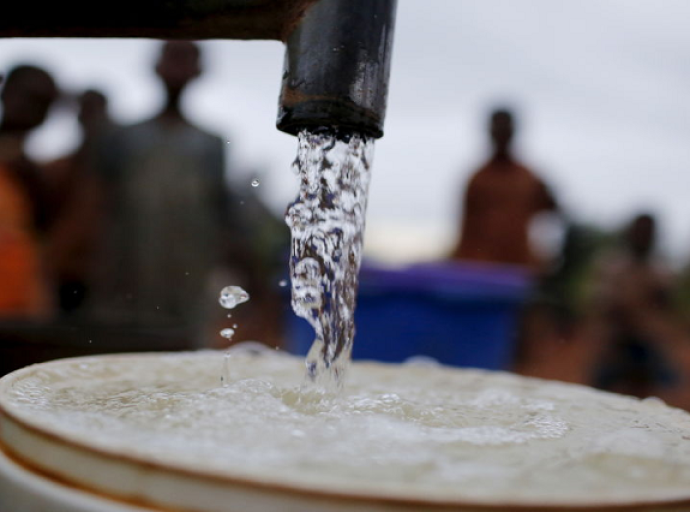
Water has been a separate but equally important topic. Our reporting has focused on the incompetence and petty criminality that contribute to the water crises we are perpetually faced with throughout the country. Shoddy, unmaintained infrastructure has not been treated with the urgency or creativity it demands from government structures.
But this week Sheree Bega’s story reveals that water, too, has been penetrated by organised crime. The evidence suggests that water mafias are in play.
Leveraging supply and turning the taps to their benefit. Or as Tracy-Lynn Field, the principal investigator of the South African Water Justice Tracker Project, puts it: “They have embedded themselves in the water value chain, sacrificing access to water, a public good, at the altar of personal economic gain.”
These revelations are disturbing. Water is our most basic human need. And it is a right this country’s Constitution promises to all. It is unconscionable that there are thugs who are affecting and influencing its distribution.
It is imperative that authorities investigate these findings with urgency. The favoured South African hobbies of commissions and inquiries will not suffice. The severity of the issue demands that officials get boots on the ground and swiftly deliver a plan that can be practically implemented to oust any syndicates operating in this space.
But plugging those leaks will only be the beginning.
Malfeasance of all kinds breeds in tepid, weak institutions. It is not coincidental that the same structures that have faltered on service delivery in recent years are now susceptible to organised crime networks. Until the national government does a top-down review of its water infrastructure, both physical and bureaucratic, the door will remain ajar.
As has so often been the case in all aspects of South African life over the last decade, we have civil society to thank for moving the conversation forward. The efforts of people on the ground and private organisations have been immense and it is terrifying to think where we would be without a powerful sense of civic duty.
It is only unfortunate that these are the shoulders on which the burden always falls.
*This article was first published by Mail & Guardian