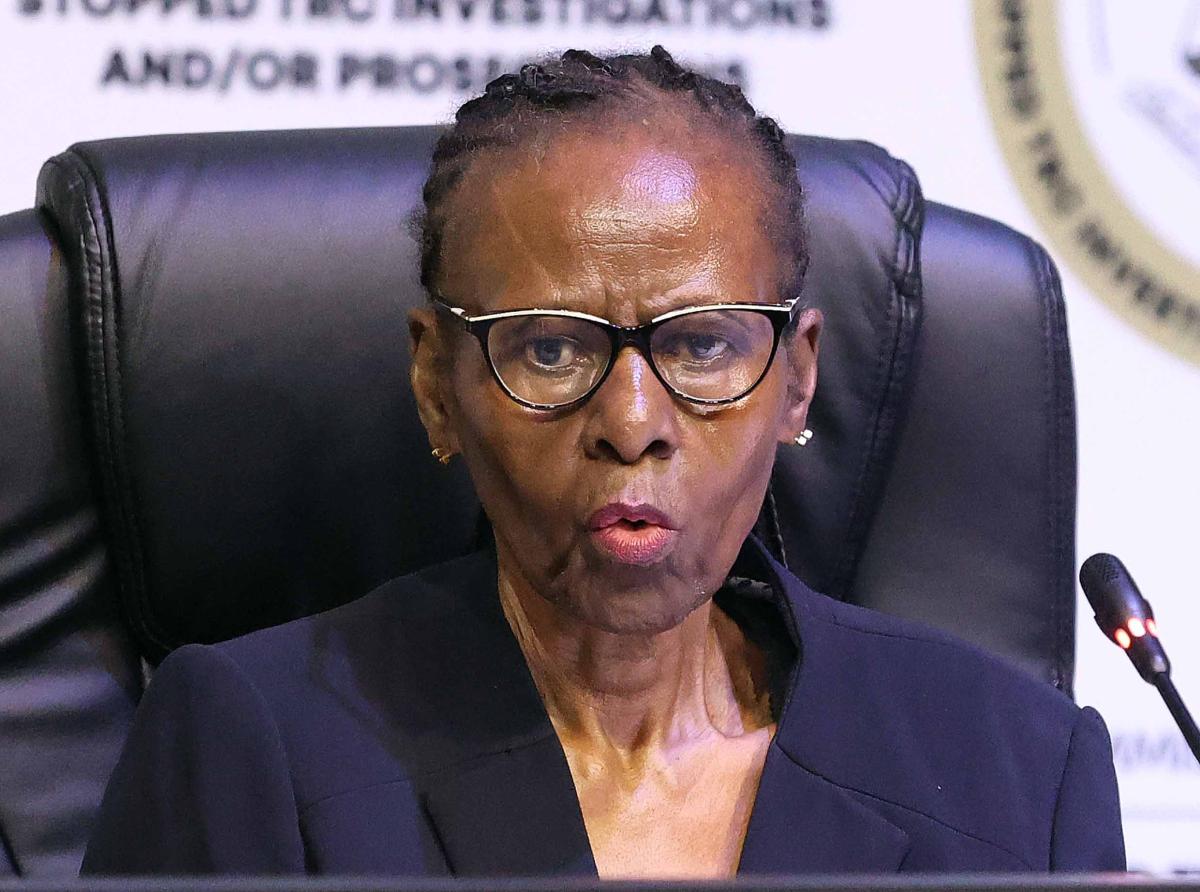
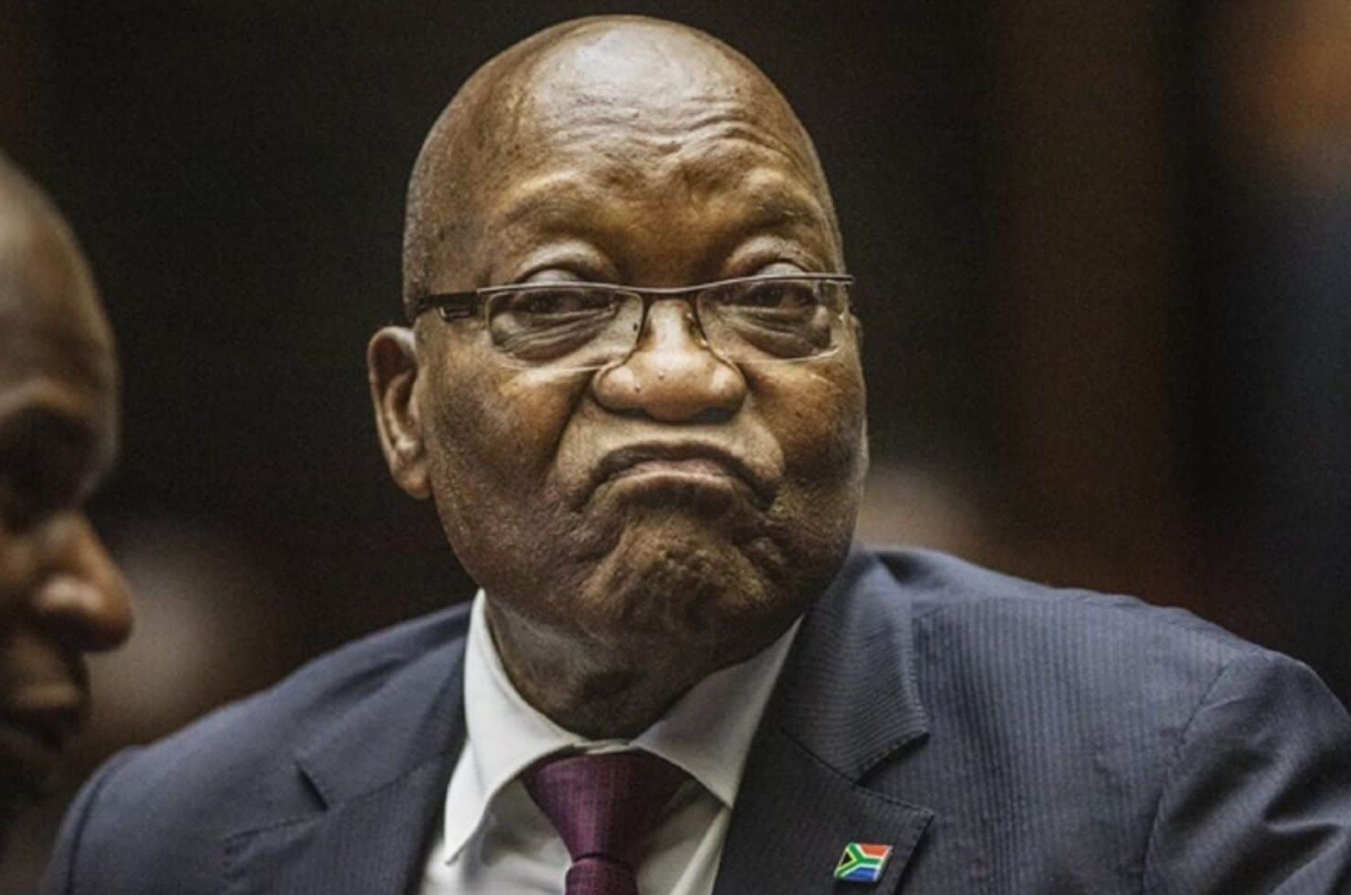
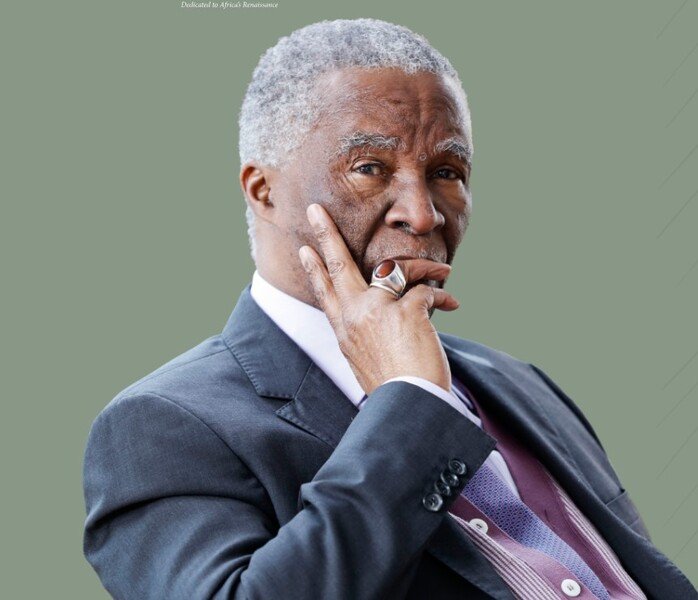
Former Presidents Thabo Mbeki and Jacob Zuma are scheduled to appear before the Judicial Commission of Inquiry into Truth and Reconciliation Commission cases in just under two weeks.
The looming historic appearances follow a joint failed legal bid by the two former heads of State to remove the commission’s chairperson, retired Constitutional Court Justice, Sisi Khampepe. Mbeki and Zuma had initially launched two separate bids to get Khampepe to step down, but later joined forces claiming that she could not be impartial due to her past positions in government.
On 31 August 2026, the Constitutional Court handed down a ruling that dismissed the review application. Through a narrow 5-4 majority split, the court ruled that Khampepe’s past institutional roles did not create a reasonable apprehension of bias to disqualify her from chairing the inquiry. Mbeki is now scheduled to present his testimony across two days on 19 and 20 October 2026, while Zuma, who is reportedly in hospital, is set to follow with an appearance on 22 October 2026.
The judicial commission was established by President Cyril Ramaphosa to investigate allegations of executive and political interference in the post-apartheid justice system. Specifically, the inquiry focuses on claims that state officials deliberately delayed, halted, or suppressed the criminal investigation and prosecution of hundreds of gross human rights violations originally identified by the Truth and Reconciliation Commission.
Advocacy groups representing anti-apartheid victims have long maintained that political pressure was applied to the National Prosecuting Authority to shield high-profile suspects. The scope of the inquiry is therefore to examine why judicial inquiries into the disappearances and deaths of activists were stalled or abandoned during the respective presidential terms of Mbeki and Zuma, both of whom have denied any involvement or knowledge of political interference.
Mbeki and Zuma’s legal objections centered on Khampepe’s extensive history within South Africa’s post-apartheid legal transition, noting she previously served as a Truth and Reconciliation Commission Commissioner on the Amnesty Committee and subsequently held the position of Deputy National Director of Public Prosecutions (NDPP).
The former presidents argued that holding senior roles in both the entity that recommended prosecutions and the state agency tasked with executing them constituted a structural conflict of interest, while Zuma additionally cited past adverse judicial rulings authored by Khampepe as evidence of potential prejudice.
The legal challenge reached its conclusion when the apex court issued its narrow split decision, with the majority ruling determining that institutional expertise and past legal roles do not legally equate to personal bias. Conversely, four dissenting judges noted that an objective observer could perceive a conflict given her unique historical involvement.
The dismissal of the recusal application removed the final legal obstacle preventing the commission from summoning the former heads of state. The inquiry is mandated to submit its final findings, evaluations, and recommendations to Ramaphosa by 18 December 2026, with Mbeki and Zuma’s public testimonies expected to be the final high-profile proceedings before the commission concludes its investigation